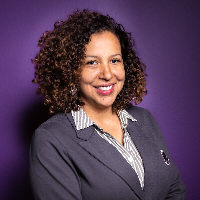
Angela Belton
LPC
Warm, practical counseling for life changes
Opens BetterHelp in a new tab, where you can review online therapy options.
- Client-centered care
- CBT and mindfulness
- English and Spanish
About Angela
Her style is respectful and direct. She avoids stigmatizing labels and listens for each person's goals before proposing next steps. Sessions emphasize clear, practical steps alongside space to process feelings.
Angela blends client-centered listening with cognitive-behavioral strategies and existential ideas. She uses mindfulness and narrative techniques to help people notice unhelpful patterns and tell their story in new ways. The mix is tailored to what the person needs in the moment.
She has worked with adults, couples, and children and has experience addressing trauma, emotional abuse, OCD, ADHD, and relationship and parenting concerns. That breadth has informed a flexible approach that balances skill-building and emotional processing.
Angela speaks English and Spanish. She invites people who are ready to make changes to take a first step, offering support that aims to increase coping skills, reduce distress, and improve day-to-day functioning.
Areas of expertise
Primary focus
Also works with
Additional focus areas
Therapeutic approaches
Experience
15+ years
Credentials
Texas
Languages
English, Spanish
How therapeutic approaches fit into online care
Client-Centered Therapy focuses on listening and acceptance, helping people feel heard and understood while they name goals and decide on next steps. It suits issues like low self-esteem, relationship concerns, and general life stress.Cognitive Behavioral Therapy (CBT) works on the link between thoughts, feelings, and actions. It offers concrete skills for anger, anxiety, depression, and managing strong emotions by changing patterns of thinking and behavior.
Existential Therapy helps people wrestle with life meaning, choices, and transitions. It can be useful when coping with major life changes, grief, or career and identity questions.
Finding the right approach is part of the work. The therapist will collaborate with each person to decide which methods fit their goals and preferences, and will adjust the plan as progress is made.
Confirm the current session formats before booking, as this profile does not list specific options. In general, online therapy can make scheduling easier and help sessions fit around work or family routines. It also allows brief check-ins when concerns are time-sensitive, and supports using worksheets or mindfulness exercises between meetings to reinforce skills.
At a glance
- Listed location
- Texas
- Experience
- 15+ years
- Credentials
- LPC
- Languages
- English, Spanish
- License (Texas)
- LPC · No. 66962
- NPI
- 1780478750
As listed by the therapist. You can check a license with the state board and an NPI with the national registry.
Frequently asked questions
What concerns does Angela commonly address?
She works with stress, anxiety, anger, depression, grief, relationship and intimacy issues, addictions, eating and sleeping problems, ADHD, and career or life changes.
How would you describe her therapeutic style?
Her approach is warm and interactive, combining listening with practical strategies from cognitive-behavioral and client-centered work.
What level of experience does she have?
She has 15 years of professional experience working with adults, couples, and children and adolescents on a wide range of concerns.
What credentials and region should I expect?
She is a Licensed Professional Counselor (LPC) practicing in Texas.
Which languages are supported in sessions?
Sessions are offered in English and Spanish.
Can people outside the United States work with her?
International clients are not currently accepted.
How are fees handled and what about payment plans?
Cost varies with location and therapist availability; sessions use a subscription that can be canceled at any time.
What are the first steps to begin therapy?
Select the Start Therapy button, complete a short matching questionnaire, and schedule according to therapist availability.
Before you start
- Online talk therapy is not a court-ordered or mandated anger-management course, and it does not provide attendance certificates.
- Check that the location and license details above fit where you live.
- If anyone is at risk of being harmed, contact emergency services or a domestic-abuse helpline first. See the support lines for the US, UK and Australia.