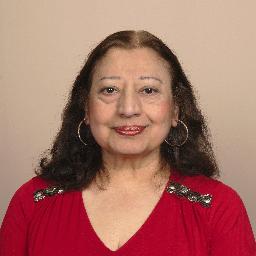
Dr. Anila Malik
LPC
Experienced counselor focusing on practical emotion work
Opens BetterHelp in a new tab, where you can review online therapy options.
- Humanistic approach
- Cognitive tools
- Multilingual support
About Anila
Her background includes office management, program contracts, supervising interns, and clinical consultation. She has worked with adolescents and adults across many settings. Her caseload has included depression, anxiety, bipolar disorders, PTSD, OCD, personality disorders, and co-occurring substance use concerns.
In sessions she uses clear, practical methods such as cognitive behavioral tools and client-centered work. She also draws on dialectical behavior strategies, emotionally focused ideas, and mindfulness practices to help people manage strong emotions and daily challenges. Expect collaborative goal setting and a treatment plan tailored to individual needs.
Dr. Malik’s approach is described as humanistic, compassionate, and respectful. She aims to create space where people can talk through stress, grief, relationship and intimacy issues, anger, and struggles with self-esteem or addictions. She helps people build skills to cope with life changes and difficult symptoms.
She has experience providing individual and group work and has run programs for a range of ages. Her long career includes assessment, treatment planning, and supervision roles, which inform a practical, experienced way of working with clients.
Areas of expertise
Primary focus
Also works with
Additional focus areas
Therapeutic approaches
Experience
36+ years
Credentials
Georgia
Languages
English, Punjabi, Urdu
Therapeutic approaches and how they work online
Client-Centered Therapy focuses on listening and understanding. The therapist offers a respectful, nonjudgmental space and helps people clarify what matters most to them. This approach often helps with self-esteem, grief, and relationship concerns.Cognitive Behavioral Therapy (CBT) looks at thoughts, feelings, and behaviors. It teaches specific skills to change unhelpful thinking and build healthier routines, which can help with anxiety, depression, anger, and sleep or eating challenges.
Dialectical Behavior Therapy (DBT) provides emotion regulation, distress tolerance, and interpersonal skills. These techniques support people who struggle with intense emotions or relationship conflicts and who want practical coping strategies.
Finding the right approach is a collaborative process. The therapist will work together with each person to choose and adjust methods based on goals, comfort, and progress. That way sessions stay focused and relevant to what the person needs now.
Practical benefits of online therapy include easier fitting of sessions into a busy week and fewer barriers to connecting across locations. Because the therapist's current session formats were not specified in the biography, confirm which formats are offered before booking. Many people find remote work helps them keep regular appointments, shorten travel time, and use brief check-ins when life gets busy.
At a glance
- Listed location
- Georgia
- Experience
- 36+ years
- Credentials
- LPC
- Languages
- English, Punjabi, Urdu
- License (Georgia)
- LPC · No. LPC003164
- NPI
- 1982241451
As listed by the therapist. You can check a license with the state board and an NPI with the national registry.
Frequently asked questions
What concerns does she address?
She helps people with stress, anxiety, depression, trauma and abuse, anger, addictions, relationship and intimacy issues, grief, sleep and eating concerns, parenting stress, ADHD, bipolar disorder and related challenges.
What is her therapy style like?
Her style is humanistic and compassionate with practical tools. Sessions combine client-centered listening with techniques from CBT, DBT, EFT and mindfulness to help manage emotions and behavior.
How long has she worked in the field?
She has 36 years of experience across mental health and substance abuse settings, including program contracts, supervision, assessment, and treatment roles.
What credentials and location apply?
She holds the LPC credential and practices in Georgia.
Which languages are supported?
Sessions are offered in English, Punjabi, and Urdu. She also accepts international clients.
What session formats are available?
The original biography does not list session formats. Please confirm current session options before booking to know which formats are offered.
How are fees and payment handled?
Cost varies with location and therapist availability; sessions use a subscription that can be canceled at any time.
How do I begin working with her?
Use the Start Therapy button, complete a short matching questionnaire, and schedule according to therapist availability.
Before you start
- Online talk therapy is not a court-ordered or mandated anger-management course, and it does not provide attendance certificates.
- Check that the location and license details above fit where you live.
- If anyone is at risk of being harmed, contact emergency services or a domestic-abuse helpline first. See the support lines for the US, UK and Australia.