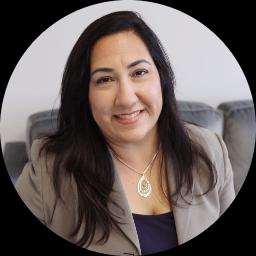
Carisa Givens
LPC
Empathy with practical coping strategies
Opens BetterHelp in a new tab, where you can review online therapy options.
- Warm interactive style
- Focus on daily skills
- English and Spanish
About Carisa
She uses methods drawn from cognitive behavioral therapy, acceptance and commitment therapy, mindfulness, client-centered work, and motivational interviewing. In sessions she listens closely, helps people sort priorities, and builds small, manageable skills to change unhelpful patterns. Conversations are meant to be direct but compassionate, with a focus on what will help next week and next month.
With 12 years of experience and a Licensed Professional Counselor credential, she brings experience with a wide range of concerns. That includes relationship and intimacy-related issues, family and blended family challenges, caregiver stress, and workplace or career-related struggles. She also supports people dealing with depression, bipolar-related issues, and compassion fatigue.
Carisa works in English and Spanish and accepts clients in Texas and internationally. She encourages clients to name what matters most and to set goals that fit their lives. Practical tools, reflective listening, and gentle accountability are regular parts of her sessions.
To start, she guides people through a brief intake and matching process to find an initial plan. The focus is on steady, realistic change rather than quick fixes, helping people build routines and skills that last.
Areas of expertise
Primary focus
Also works with
Additional focus areas
Therapeutic approaches
Experience
12+ years
Credentials
Texas, Oregon
Languages
English, Spanish
Approaches that shape online sessions
Carisa commonly uses cognitive behavioral therapy and acceptance and commitment therapy alongside client-centered and mindfulness techniques. Cognitive behavioral therapy focuses on spotting unhelpful thoughts and testing small behavior changes to reduce stress and improve sleep. Acceptance and commitment therapy helps people clarify what matters to them and take actions that match those values even when emotions are strong. Client-centered work emphasizes listening, empathy, and building a safe space to talk through sensitive topics.Finding the best approach is a collaborative process. The therapist will talk with each person about their goals, day-to-day routines, and preferences, and then pick techniques that fit. That plan can change over time as goals evolve or new needs appear.
Session formats and logistics should be confirmed before booking since the biography does not list specific options. Online work can make it easier to fit therapy into a busy life - shorter check-ins, evening sessions, or avoiding travel to an office are common practical benefits. Discuss scheduling needs and any preferred session length when you complete the initial matching questionnaire so plans match real-life constraints.
At a glance
- Listed location
- Texas
- Experience
- 12+ years
- Credentials
- LPC
- Languages
- English, Spanish
- License (Texas)
- LPC · No. 63292
- License (Oregon)
- LPC · No. C6984
- NPI
- 1124525480
As listed by the therapist. You can check a license with the state board and an NPI with the national registry.
Frequently asked questions
What kinds of concerns does this therapist address?
She helps with stress, anxiety, grief, career strain, parenting challenges, anger, relationship and intimacy issues, depression, bipolar-related concerns, and related family problems.
What is her general therapeutic approach?
Her work blends cognitive behavioral techniques, acceptance and commitment therapy, client-centered listening, mindfulness practices, and motivational interviewing to build practical skills and clearer values.
How much clinical experience does she have?
She has 12 years of professional experience as a counselor working with a variety of concerns and life changes.
What are her credentials and where is she based?
She is a Licensed Professional Counselor (LPC) with licensure in Texas and also holds an Oregon LPC credential; she is based in Texas.
Which languages are supported for sessions?
Sessions are offered in English and Spanish.
Can people outside the U.S. work with her?
International clients are accepted; confirm any licensing or logistical details during the intake process.
How are costs and billing handled?
Cost varies with location and therapist availability, and sessions use a subscription that can be canceled at any time.
What are the steps to begin working together?
Start by selecting the Start Therapy button, complete a short matching questionnaire, and then schedule a session according to the therapist's availability.
Before you start
- Online talk therapy is not a court-ordered or mandated anger-management course, and it does not provide attendance certificates.
- Check that the location and license details above fit where you live.
- If anyone is at risk of being harmed, contact emergency services or a domestic-abuse helpline first. See the support lines for the US, UK and Australia.