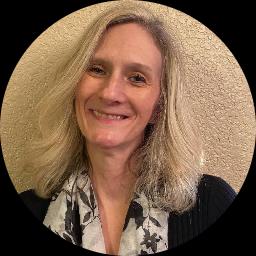
Catherine Boone
LPC
Practical support for stress and strong emotions
Opens BetterHelp in a new tab, where you can review online therapy options.
- CBT focused
- Practical coping skills
- School counseling roots
About Catherine
Her background includes 19 years specifically as an elementary school counselor within educational settings, and many more years in related professional roles. That experience shaped practical ways to talk about feelings, practice self-regulation, and handle stressful situations. She has spent a lot of time supporting people affected by trauma and abuse and helping them manage the fallout from those experiences.
Catherine uses Cognitive Behavioral Therapy, or CBT, which focuses on spotting unhelpful thoughts and testing them. In sessions she works with clients to change patterns that keep them stuck and to build healthier responses to stress, anger, and anxiety. She also supports people dealing with postpartum depression and women's health concerns.
Sessions are guided by the person’s goals and preferences, with treatment plans adjusted as needed. Catherine keeps session conversations practical and down-to-earth, with skills and small steps to try between meetings. She encourages people to be gentle with themselves during change.
To begin, a person selects the Start Therapy button and completes a short matching questionnaire. Scheduling is then done based on the therapist's calendar and the person’s needs.
Areas of expertise
Primary focus
Also works with
Additional focus areas
Therapeutic approaches
Experience
19+ years
Credentials
Texas
Languages
English
How CBT-Based Work Fits Online
The primary approach used is Cognitive Behavioral Therapy (CBT). CBT helps people notice unhelpful thoughts, test whether they are true, and try new behaviors. It is often used for anxiety, anger, depression, and stress because it breaks problems into small, manageable steps.Catherine’s experience in school counseling means she emphasizes skill building and clear, practical strategies. In online work, that can mean learning breathing and grounding techniques, practicing thought-challenging exercises together, and setting simple between-session tasks. The therapist will work collaboratively to choose approaches that match the person's goals and situation rather than assuming one method fits all.
Finding the right approach is part of the process. Catherine will help figure out what feels useful based on the client's needs, goals, and preferences, and will adjust the plan as progress is made. This collaboration helps tailor sessions so they focus on the issues that matter most to the person.
The practical benefits of online therapy include easier fitting of sessions into a busy day, fewer travel demands, and the ability to check in from different places as life requires. Because the original biography does not list specific session formats, confirm the available online options before booking. That ensures sessions work with schedules and daily routines without unexpected barriers.
At a glance
- Listed location
- Texas
- Experience
- 19+ years
- Credentials
- LPC
- Languages
- English
- License (Texas)
- LPC · No. 64549
- NPI
- 1881303394
As listed by the therapist. You can check a license with the state board and an NPI with the national registry.
Frequently asked questions
What concerns does Catherine address?
She supports people with stress, anxiety, trauma and abuse, grief, anger, ADHD, relationship and family concerns, eating issues, parenting strain, self esteem, depression, and coping with life changes. Postpartum depression and women's issues are also noted areas of focus.
What is her general approach in sessions?
She uses a practical, respectful style that emphasizes setting goals and building skills. Conversations focus on identifying patterns and trying new ways to handle emotions and challenges.
How much experience does she have?
Catherine has 19 years of experience specifically as an elementary school counselor and additional professional experience in educational settings, totaling many years working with children and caregivers in school-related roles.
What credentials and location are listed?
She is a Licensed Professional Counselor (LPC) practicing in Texas and holds the TX LPC credential as documented in her profile.
Which languages are supported and does she work internationally?
Sessions are offered in English. She is not currently accepting international clients.
What session formats are available?
The original biography does not specify session formats. Please confirm current session options with the service before booking to know which formats are offered.
How are fees and payments handled?
Cost varies with location and therapist scheduling; sessions use a subscription model that can be canceled at any time. Exact fees are determined by the service and the therapist's location.
How do I begin working with her?
Start by selecting the Start Therapy button and completing the short matching questionnaire. After that you can schedule sessions according to the therapist's calendar and availability.
Before you start
- Online talk therapy is not a court-ordered or mandated anger-management course, and it does not provide attendance certificates.
- Check that the location and license details above fit where you live.
- If anyone is at risk of being harmed, contact emergency services or a domestic-abuse helpline first. See the support lines for the US, UK and Australia.