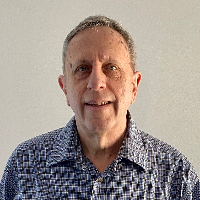
Dave Boldebook
LCSW
Experienced LCSW focused on practical change
Opens BetterHelp in a new tab, where you can review online therapy options.
- Relational approach
- Gentle challenge
- Goal oriented
About Dave
His approach is practical and relational. He focuses on building a genuine relationship, listening closely, and offering gentle challenges when needed. Sessions emphasize understanding how physical, mental, emotional, and spiritual factors connect and affect everyday life.
Dave uses a mix of approaches to suit each person. He draws from Acceptance and Commitment Therapy, client-centered work, cognitive behavioral ideas, existential thinking, and mindfulness practices. He combines these methods to help people develop new tools, set goals, and find workable solutions.
Clients commonly bring concerns such as stress, anxiety, grief, depression, anger, relationship or family strains, parenting questions, sleep troubles, addictions, compassion fatigue, and coping with life changes. He also works with issues that come from aging, cancer, caregiving stress, co-morbidity, hospice, and end-of-life concerns.
His sessions are grounded in respect, authenticity, and empathy. He encourages leaning into fear and resistance rather than avoiding it, and aims to instill hope while offering concrete strategies. People who want a steady, experienced guide for thoughtful self-exploration may find his style helpful.
Areas of expertise
Also works with
Additional focus areas
Therapeutic approaches
Experience
20+ years
Credentials
Maine
Languages
English
How approaches like ACT, CBT, and client-centered work online
Acceptance and Commitment Therapy (ACT) helps people notice difficult thoughts and feelings without getting ruled by them, then choose actions that match their values. It can be useful for stress, anxiety, grief, and life transitions. Cognitive Behavioral Therapy (CBT) focuses on spotting unhelpful thought patterns and trying practical changes to behavior and routines to reduce symptoms such as anxiety or sleep problems. Client-Centered Therapy centers on creating a warm, nonjudgmental relationship where the person leads the pace and priorities of the work.Choosing the right approach is something the therapist will do together with the client. Dave will talk about goals, try methods that fit the situation, and adjust based on what feels most helpful. That collaborative process helps shape the plan over time rather than locking in one method at the first session.
The original biography does not list specific online session formats, so confirm which options are currently offered before booking. Online work can make it easier to fit sessions into daily life, avoid travel time, and allow shorter check-ins when schedules are tight. It can also let someone use less bandwidth by choosing audio-only if video is difficult, or pick times that slip into a lunch break or evening routine. Licensed professionals can adapt ACT, CBT, and client-centered techniques to work in live remote sessions when those formats are available.
At a glance
- Listed location
- Maine
- Experience
- 20+ years
- Credentials
- LCSW
- Languages
- English
- License (Maine)
- LCSW · No. LC6510
- NPI
- 1588853725
As listed by the therapist. You can check a license with the state board and an NPI with the national registry.
Frequently asked questions
What concerns does Dave commonly help with?
He works with many issues including stress, anxiety, grief, depression, anger, addictions, relationship and family concerns, parenting, sleep problems, and coping with life changes.
How would you describe his therapy style?
His style is relational and down-to-earth, emphasizing authenticity and careful listening. He blends gentle challenge with encouragement and practical tools.
What is his background and experience?
He has 20 years of counseling and therapy practice and earned a master’s degree in social work in 1998 from the University of New England.
What credentials and location are listed?
He is a licensed clinical social worker, credentialed as ME LCSW, and practices in Maine.
Which languages are supported and can he work internationally?
Sessions are offered in English, and he accepts international clients.
What session formats are offered?
The original biography does not specify session formats; please confirm the current session options before booking.
How does pricing work for sessions?
Cost varies with location and therapist availability, and sessions use a subscription that can be canceled at any time.
What are the first steps to start therapy?
Select the Start Therapy button, complete a short matching questionnaire, and schedule according to therapist availability.
Before you start
- Online talk therapy is not a court-ordered or mandated anger-management course, and it does not provide attendance certificates.
- Check that the location and license details above fit where you live.
- If anyone is at risk of being harmed, contact emergency services or a domestic-abuse helpline first. See the support lines for the US, UK and Australia.