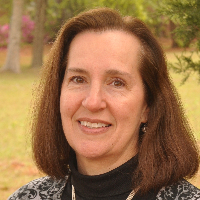
Denise Owen
LCSW
Helpful, experienced LCSW focused on goals
Opens BetterHelp in a new tab, where you can review online therapy options.
- Practical and steady
- Collaborative approach
- 34 years experience
About Denise
Areas of expertise
Primary focus
Also works with
Additional focus areas
Therapeutic approaches
Experience
34+ years
Credentials
North Carolina
Languages
English
How Denise Uses Evidence-Based Approaches Online
Acceptance and Commitment Therapy (ACT) helps a person notice thoughts without getting stuck in them and take action based on personal values. It can be useful for anxiety, stress, and coping with life changes. Cognitive Behavioral Therapy (CBT) breaks problems into thoughts, feelings, and behaviors and offers practical steps to change unhelpful patterns; it often helps with anxiety, depression, and sleep issues. Dialectical Behavior Therapy (DBT) teaches skills for emotion regulation, distress tolerance, and better communication, which can be helpful when anger or intense emotions interfere with daily life.Finding the right approach is part of the work. Denise prefers to assess each person and then decide together which methods to try. That collaborative process lets goals and preferences guide the plan, and approaches can be adjusted if something isn’t helping.
Session formats are not listed in the biography, so confirm current options before booking. In general, online work can make it easier to fit therapy into a busy day, reduce travel time, and allow shorter check-ins when needed. It also lets people keep continuity of care if they move within the same region. Licensed professionals can adapt ACT, CBT, or DBT skills to remote sessions so clients can practice tools between visits.
At a glance
- Listed location
- North Carolina
- Experience
- 34+ years
- Credentials
- LCSW
- Languages
- English
- License (North Carolina)
- LCSW · No. C001100
- NPI
- 1841965597
As listed by the therapist. You can check a license with the state board and an NPI with the national registry.
Frequently asked questions
What concerns does Denise commonly address?
She helps people with stress, anxiety, relationship problems, grief, parenting strain, anger, addictions, depression, ADHD, and related issues listed in her profile.
How would you describe her therapy style?
Denise uses a practical, goal-focused style and works together with clients to pick approaches that fit their needs. She emphasizes building rapport before beginning active work.
What is her clinical background?
She has worked in social work since 1986 and earned a Master of Social Work in 1990, with 34 years of overall experience including inpatient and outpatient roles.
What credential does she hold and where is she located?
She is a Licensed Clinical Social Worker, NC LCSW, and practices in North Carolina.
Which languages are supported for sessions?
Sessions are offered in English.
Can she work with international clients?
International clients are not currently accepted.
How are fees and billing handled?
Cost varies with location and therapist availability; sessions use a subscription that can be canceled at any time.
What steps do I take to begin therapy?
Select the Start Therapy button, complete a short matching questionnaire, and schedule according to therapist availability.
Before you start
- Online talk therapy is not a court-ordered or mandated anger-management course, and it does not provide attendance certificates.
- Check that the location and license details above fit where you live.
- If anyone is at risk of being harmed, contact emergency services or a domestic-abuse helpline first. See the support lines for the US, UK and Australia.