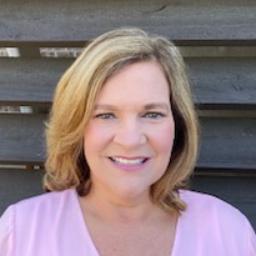
Donda Goodson
LMHC, LPC
Compassionate counselor focused on practical change
Opens BetterHelp in a new tab, where you can review online therapy options.
- Anger and emotion skills
- Practical coping tools
- Experience with trauma
About Donda
She earned an undergraduate degree in Vocational Rehabilitation from Auburn University and a master’s degree in Rehabilitation Counseling from the University of Alabama at Birmingham. Donda received her counseling license in 1992 from the Alabama Board of Examiners in Counseling and has worked in mental health agencies as well as private practice.
Her practice supports people across a wide range of concerns, including ADHD, Autism Spectrum behaviors, trauma and stress-related issues, obsessive compulsive patterns, and help staying sober. She also assists parents who feel frustrated and unsure about how to respond to their children’s needs.
Donda uses client-centered methods and cognitive behavioral techniques to identify stuck patterns and try new behaviors. She emphasizes clear, doable strategies to manage strong emotions and improve day-to-day functioning.
Sessions focus on what matters to the individual - reducing reactivity, building coping skills, and moving toward personal goals. Her approach blends mindfulness and acceptance ideas with practical problem solving so people can see small changes that add up over time.
Areas of expertise
Also works with
Additional focus areas
Therapeutic approaches
Experience
32+ years
Credentials
Alabama, Florida, Virginia
Languages
English
How Donda Uses Evidence-Based Approaches Online
Donda draws on cognitive behavioral therapy and client-centered therapy in her work. Cognitive behavioral therapy focuses on identifying unhelpful thought and behavior patterns and testing small changes that reduce distress. Client-centered therapy emphasizes listening, acceptance, and helping people find their own solutions to problems.Finding the right approach is a team effort. She will talk with the client about goals and preferences, try strategies, and adjust as progress is made. That collaborative process helps match methods to issues like anger, anxiety, trauma, or parenting stress.
If you are considering online sessions, confirm the available session formats before booking. Online work can make it easier to fit therapy into a busy week, allow shorter check-ins when needed, and remove travel time. Many people find that using therapeutic tools from home - like mindfulness exercises or behavioral experiments - helps them practice skills between sessions.
At a glance
- Listed location
- Alabama
- Experience
- 32+ years
- Credentials
- LMHC, LPC
- Languages
- English
- License (Alabama)
- LPC · No. LPC01082
- License (Florida)
- LMHC · No. MH18483
- License (Virginia)
- LPC · No. 0701010486
- NPI
- 1023603735
As listed by the therapist. You can check a license with the state board and an NPI with the national registry.
Frequently asked questions
What concerns does she help with?
Donda works with people facing stress, anxiety, anger, grief, depression, addictions, bipolar challenges, ADHD, and related issues. She also addresses family and parenting strains and other focused areas like chronic illness and first responder concerns.
What is her therapeutic style like?
Her style is client-centered and practical. She combines cognitive behavioral strategies, mindfulness, and acceptance ideas to reduce intense emotions and build everyday coping skills.
How much experience does she have?
She has 32 years of clinical experience working in mental health agencies and private practice with a wide age range of clients.
What credentials and location apply?
She holds LMHC and LPC credentials and practices in Alabama. Her training includes a master’s degree in Rehabilitation Counseling from the University of Alabama at Birmingham.
Which languages are supported?
Sessions are offered in English.
Can international clients work with her?
International clients are not currently accepted.
How are sessions arranged and what do they cost?
Cost varies with location and therapist availability and sessions use a subscription that can be canceled at any time.
How do I begin a match and schedule?
Select the Start Therapy button, complete a short matching questionnaire, and schedule according to therapist availability.
Before you start
- Online talk therapy is not a court-ordered or mandated anger-management course, and it does not provide attendance certificates.
- Check that the location and license details above fit where you live.
- If anyone is at risk of being harmed, contact emergency services or a domestic-abuse helpline first. See the support lines for the US, UK and Australia.