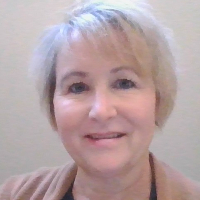
Donna Gensler
LSCSW, LCSW
Practical, relationship-focused social worker
Opens BetterHelp in a new tab, where you can review online therapy options.
About Donna
Her style is straightforward and practical. She works with each person to set clear goals and then builds steps to reach them. Sessions often include talking through patterns, practicing new ways of responding, and trying small changes between meetings. The aim is steady progress toward how the client wants to feel and act.
Donna uses approaches grounded in relationships, present-moment work, and changing unhelpful thinking. She leans on Attachment-Based Therapy to look at how early bonds affect current relationships. Cognitive Behavioral Therapy helps identify and shift thoughts that fuel strong emotions. Motivational Interviewing supports people who want to change addictive or impulsive patterns.
Her background in child welfare exposed her to many cultures and life situations. That experience shaped a flexible, creative approach to therapy. She helps parents and individuals navigate parenting stress, blended family challenges, adoption and foster care issues, and communication struggles.
Clients can expect direct feedback delivered with compassion. Donna emphasizes collaboration, so people take part in setting goals and choosing which tools to try. She supports practical steps toward healthier behavior and more stable mood.
Areas of expertise
Primary focus
Also works with
Additional focus areas
Therapeutic approaches
Experience
20+ years
Credentials
Kansas, Missouri, Nebraska, Texas, Arizona, Nevada
Languages
English
Therapies that translate to online work
Attachment-Based Therapy looks at how early relationships shape current reactions and bonds. Online sessions can be a place to talk through patterns and practice new ways of relating to others. Cognitive Behavioral Therapy focuses on the links between thoughts, feelings, and actions; it helps people spot unhelpful thoughts and try different responses between sessions. Motivational Interviewing helps people find their own reasons to change, which is useful for addictions, impulsivity, or making life shifts.Picking the right approach is a joint process. The therapist will talk with the client about goals, preferences, and what feels most useful. Sessions may blend methods so the work matches the person rather than a single label.
The biography does not list which online session formats are used, so confirm current options before booking. Many people find that online therapy helps fit treatment into a busy life because it can reduce travel time, make scheduling during work breaks easier, and allow shorter check-ins when needed. It also lets people keep therapy consistent when life or location changes, while the therapist helps shape tasks and exercises that work between sessions.
At a glance
- Listed location
- Kansas
- Experience
- 20+ years
- Credentials
- LSCSW, LCSW
- Languages
- English
- License (Kansas)
- LSCSW · No. 3586
- License (Missouri)
- LCSW · No. 2021002471
- License (Nebraska)
- LIMHP · No. 3013
- License (Texas)
- LCSW · No. 109106
- License (Arizona)
- LCSW · No. 21033
- License (Nevada)
- LCSW · No. 11553-C
- NPI
- 1194880575
As listed by the therapist. You can check a license with the state board and an NPI with the national registry.
Frequently asked questions
What concerns does Donna commonly address?
She helps people with anger, stress, anxiety, depression, addictions, trauma and related relationship or parenting problems.
How would you describe her therapeutic style?
Her style is practical and collaborative, focusing on clear goals, honest feedback, and step-by-step change.
What kind of professional experience does she have?
Donna has 20 years of experience, including extensive work in the child welfare system that informed her clinical approach.
What are her credentials and where is she based?
She holds LSCSW and LCSW credentials and practices from Kansas.
Are sessions available in other languages or internationally?
Sessions are offered in English and she accepts international clients.
Which session formats are offered?
The original biography does not list specific session formats; please confirm current session options before booking.
How is cost handled for sessions?
Cost varies with location and therapist availability; sessions use a subscription that can be canceled at any time.
What are the steps to get started?
Click the Start Therapy button, complete a short matching questionnaire, and schedule according to the therapist's availability.
Before you start
- Online talk therapy is not a court-ordered or mandated anger-management course, and it does not provide attendance certificates.
- Check that the location and license details above fit where you live.
- If anyone is at risk of being harmed, contact emergency services or a domestic-abuse helpline first. See the support lines for the US, UK and Australia.