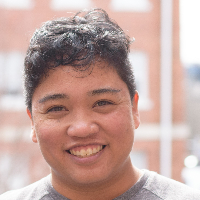
Faith Beaulieu
LCMHC
Practical somatic counseling with direct style
Opens BetterHelp in a new tab, where you can review online therapy options.
- Somatic focus
- Mindful perspective
- Short-term options
About Faith
Faith favors a somatic lens and pairs that with mindfulness and existential ideas to help people understand what they feel and why. She teaches coping skills when it is useful and adapts sessions to what each person needs. Humor and an unvarnished style can appear in session, and she sometimes uses experiential exercises rather than only talk therapy.
Her practice is set up to support people for an initial 4-8 sessions when the goal is focused work, skill building, or navigating a recent change. If goals and schedules align, she will discuss continuing beyond that window. That structure is often helpful for people drawn to embodied approaches or who want a targeted sequence of sessions.
Faith's interests and background include rock climbing, travel, working with other therapists, and supporting people from marginalized groups. She identifies as BIPoC, queer, and neurodivergent, and she welcomes people who feel connected to that perspective.
Faith has about 10 years of clinical experience and practices in North Carolina as an LCMHC. She offers sessions in English and also accepts international clients. If someone wants to explore anger, stress, relationships, or identity-related concerns, Faith blends body-focused work with practical tools to help people move forward.
Areas of expertise
Primary focus
Also works with
Additional focus areas
Therapeutic approaches
Experience
10+ years
Credentials
North Carolina
Languages
English
How somatic and mindful approaches translate to online therapy
Faith commonly works from a somatic lens and uses mindfulness and existential ideas in session. Somatic therapy focuses on noticing body sensations and movement to help people understand emotions and patterns; it can be useful for anger, trauma, chronic stress, and somatic symptoms. Mindfulness therapy teaches skills for present-moment awareness and managing intense feelings, which can help with anxiety, stress, and emotional regulation. Existential ideas invite people to clarify values, meaning, and choices when life transitions or identity concerns are central.Finding the right approach is part of the work. The therapist collaborates with each person to tailor techniques and decide whether more body-based exercises, mindfulness practice, or reflective conversation fits best. That decision depends on a client's goals, comfort level, and what feels most useful in early sessions.
The original profile does not list specific session formats, so confirm current options before booking. Online therapy can make it easier to fit sessions into a busy life, allow shorter check-ins when schedules demand, and let people use practices at home after sessions. It also supports working with a therapist across distances, which is helpful for international clients. Faith can adapt exercises and coping skills for remote work and will guide clients on how to use practices between sessions.
At a glance
- Listed location
- North Carolina
- Experience
- 10+ years
- Credentials
- LCMHC
- Languages
- English
- License (North Carolina)
- LCMHC · No. 11211
- NPI
- 1912397514
As listed by the therapist. You can check a license with the state board and an NPI with the national registry.
Frequently asked questions
What kinds of concerns does Faith commonly address?
She works with a wide range of issues including stress, anxiety, anger, relationship and intimacy-related concerns, grief, trauma and abuse, eating and body image issues, mood conditions like depression and bipolar, ADHD, and identity matters such as LGBT and gender dysphoria.
How would you describe her therapeutic style?
Sessions tend to be down-to-earth and sometimes humorous. She uses a somatic lens, mixes mindfulness and existential ideas, teaches coping skills when helpful, and includes experiential exercises in session.
What is her clinical background and experience?
Faith has about 10 years of experience and works as a Licensed Clinical Mental Health Counselor. She also has training as a somatic coach and brings embodied techniques into her clinical work.
Where does she practice and what credential does she hold?
She practices in North Carolina and holds the credential LCMHC, listed as NC LCMHC in her profile.
Are sessions offered in other languages or to international clients?
Sessions are offered in English and the practice does accept international clients.
What session formats are available?
The original profile does not list specific session formats. Confirm current session options with the therapist before booking to know what formats are offered.
How does billing and cost work?
Cost varies with location and therapist availability. Sessions use a subscription that can be canceled at any time; check details when you sign up for the service.
How do I begin working with Faith?
Select the Start Therapy button, complete a short matching questionnaire, and then schedule sessions according to the therapist's availability.
Before you start
- Online talk therapy is not a court-ordered or mandated anger-management course, and it does not provide attendance certificates.
- Check that the location and license details above fit where you live.
- If anyone is at risk of being harmed, contact emergency services or a domestic-abuse helpline first. See the support lines for the US, UK and Australia.