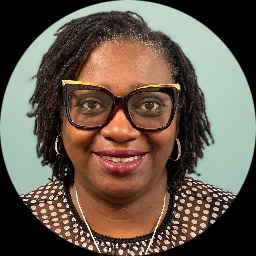
Felicia Bates
LCSW
Practical, experienced help for strong emotions
Opens BetterHelp in a new tab, where you can review online therapy options.
- 24 years experience
- Focus on anger
- Collaborative care
About Felicia
She focuses on meeting each person where they are. Conversations are shaped to fit the person's needs and goals rather than a one-size-fits-all script. She aims for clear, practical steps alongside space to talk about difficult feelings.
Clients often come for help with family conflict, parenting strain, and problems tied to adoption or foster care. She also supports people coping with depression, bipolar disorder, career stress, caregiver fatigue, and the fallout from separation or domestic violence.
Her approach draws on several methods, including Acceptance and Commitment Therapy, Cognitive Behavioral Therapy, Dialectical Behavior Therapy, and client-centered techniques. Mindfulness practices are used when they match a person's goals and preferences.
Sessions emphasize learning skills for managing anger and stress, improving communication, and building self-esteem. The therapist works collaboratively to set realistic goals and track progress over time.
Felicia is licensed as an LCSW in Maine and New Jersey and practices in Indiana. She communicates in English and asks people to complete a brief matching questionnaire to begin scheduling.
Areas of expertise
Primary focus
Also works with
Additional focus areas
Therapeutic approaches
Experience
24+ years
Credentials
Indiana, Maine, New Jersey
Languages
English
How therapeutic approaches translate to online care
Acceptance and Commitment Therapy helps people notice hard thoughts and feelings and then focus on actions that match their values. It can be useful for anger, grief, and life changes by shifting attention to meaningful steps. Cognitive Behavioral Therapy looks at how thoughts and behaviors interact and teaches practical skills to change unhelpful patterns. It often helps with anxiety, depression, and stress through action-focused exercises and homework.Figuring out the right approach is part of the work. The therapist will talk with each person about goals, struggles, and preferences and choose methods together. That collaborative process lets techniques be adjusted over time to fit what actually helps.
Confirm current session options before booking, as specific formats are not listed here. Online care can make it easier to fit therapy into a busy life, cut travel time, and offer shorter check-ins when schedules demand it. It also lets people use techniques and between-session exercises in the places they live and work, which can speed up applying new skills. Licensed professionals will help tailor session length and focus so therapy fits daily routines and real challenges.
At a glance
- Listed location
- Indiana
- Experience
- 24+ years
- Credentials
- LCSW
- Languages
- English
- License (Indiana)
- LCSW · No. 34007676A
- License (Maine)
- LCSW · No. LC22065
- License (New Jersey)
- LCSW · No. 44SC06202200
- NPI
- 1760674634
As listed by the therapist. You can check a license with the state board and an NPI with the national registry.
Frequently asked questions
What kinds of concerns does Felicia help with?
Felicia works with people dealing with anger, trauma and abuse, grief, self-esteem, stress, anxiety, relationship issues, parenting strain, career challenges, bipolar disorder, and depression.
How would you describe her therapeutic style?
She uses a practical, client-centered style that mixes skill teaching and open conversation. Sessions aim to set clear goals and build useful coping tools.
What is her professional background?
She has 24 years of professional experience working with adults on a range of life and mental health concerns.
What credentials and location are listed for this therapist?
She is an LCSW and is licensed in Maine and New Jersey; she practices in Indiana.
Which languages are supported for sessions?
Sessions are offered in English.
Can international clients work with this therapist?
International clients are not currently accepted.
How are sessions priced?
Cost varies with location and therapist availability; sessions use a subscription that can be canceled at any time.
How do I begin working with her?
Use the Start Therapy button, complete a short matching questionnaire, and then schedule according to therapist availability.
Before you start
- Online talk therapy is not a court-ordered or mandated anger-management course, and it does not provide attendance certificates.
- Check that the location and license details above fit where you live.
- If anyone is at risk of being harmed, contact emergency services or a domestic-abuse helpline first. See the support lines for the US, UK and Australia.