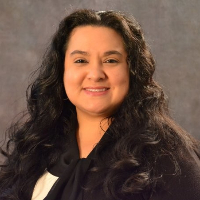
Isabel Sanchez Cummings
LISW
Therapist focused on practical coping and change
Opens BetterHelp in a new tab, where you can review online therapy options.
- Skill building
- Values based work
- English and Spanish
About Isabel
Isabel centers each visit on practical skills and honest conversation. She uses straightforward strategies to help people make clear decisions and build coping tools. Clients can expect both supportive listening and gentle challenge aimed at change.
Her approach draws on Acceptance and Commitment Therapy, Cognitive Behavioral Therapy, and Client-Centered Therapy among other methods. Isabel focuses on helping people identify patterns, try new responses, and strengthen what already works. Mindfulness and existential ideas also shape how she frames meaning and values in everyday life.
Isabel emphasizes autonomy, competence, effectiveness, integrity, and respect. She aims to help people find internal and external resources to improve wellbeing. Her work often targets self-empowerment, decision-making, and practical coping skills.
She notes experience with a wide range of cultural, religious, and social backgrounds. Isabel supports individuals who identify as LGBTQIA and those caring for people with special needs. To begin, a short matching questionnaire is completed and scheduling is arranged based on therapist availability.
Areas of expertise
Also works with
Additional focus areas
Therapeutic approaches
Experience
11+ years
Credentials
Ohio
Languages
English, Spanish
Therapeutic methods and online care that fit your life
Acceptance and Commitment Therapy (ACT) helps people clarify what matters most and take action aligned with those values. It’s useful for stress, anxiety, anger, and life changes by teaching skills to notice thoughts and refocus on meaningful goals. Cognitive Behavioral Therapy (CBT) looks at how thoughts and behaviors interact and offers practical steps for reducing symptoms like anxiety and low mood. Client-Centered Therapy provides a supportive, nonjudgmental space where the person’s perspective leads the work and the therapist follows their pace.Choosing the right approach is part of therapy. Isabel will work collaboratively to figure out which methods match the client's goals and preferences. That may mean trying ideas from different approaches and adjusting as progress is made.
Session logistics should be confirmed before booking since formats are not listed in the biography. Online therapy can make it easier to fit care into a busy day, reduce travel time, and allow shorter check-ins when needed. Talk with the therapist during scheduling about what session lengths and styles will work best for routines and responsibilities.
At a glance
- Listed location
- Ohio
- Experience
- 11+ years
- Credentials
- LISW
- Languages
- English, Spanish
- License (Ohio)
- LISW · No. I.1600358-SUPV
- NPI
- 1639534233
As listed by the therapist. You can check a license with the state board and an NPI with the national registry.
Frequently asked questions
What kinds of problems does she help with?
Isabel supports people dealing with stress, anxiety, grief, depression, anger, self-esteem, parenting challenges, relationship and family issues, career concerns, and compassion fatigue.
What is her general therapy style?
She blends supportive listening with practical tools and gentle challenge. Sessions often focus on decision-making, coping skills, and identifying patterns people want to change.
How much experience does she have?
She has over 11 years of direct mental health experience working in clinical settings and with diverse communities.
What credentials and location apply?
She holds an LISW license in Ohio and practices from that state.
Which languages are supported?
Sessions are offered in English and Spanish.
Does she work with clients outside the United States?
International clients are not currently accepted.
How much do sessions cost?
Cost varies with location and therapist availability; sessions use a subscription that can be canceled at any time.
How do I begin working with her?
Select the Start Therapy button, complete a short matching questionnaire, and schedule according to therapist availability.
Before you start
- Online talk therapy is not a court-ordered or mandated anger-management course, and it does not provide attendance certificates.
- Check that the location and license details above fit where you live.
- If anyone is at risk of being harmed, contact emergency services or a domestic-abuse helpline first. See the support lines for the US, UK and Australia.