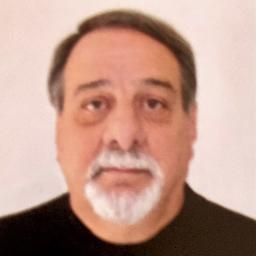
John DeCarlis
LISW, LSCSW
Calm-focused, action-oriented therapy
Opens BetterHelp in a new tab, where you can review online therapy options.
- Direct and approachable
- Skill building
- Values based
About John
He uses a direct, approachable, and interactive style. Sessions center on what matters to the person and on actions that can improve day-to-day life. He encourages acceptance of what cannot be changed while committing to choices that match each person's values.
With 26 years of experience, he draws on several therapy approaches to fit different needs. These include Acceptance and Commitment Therapy, cognitive behavioral strategies, attachment-based ideas, client-centered methods, and hypnotherapy. He adapts the conversation and plan to the individual instead of relying on one fixed method.
DeCarlis has a master’s degree from the University of Maryland School of Social Work and holds LISW and LSCSW credentials. He has worked with people facing depression, grief, trauma, relationship stress, workplace problems, and addiction concerns. His background includes work with post-deployment military populations and veterans.
He aims to help people identify strengths they might not see yet. The work is collaborative: clients set goals and learn specific skills to manage emotions, improve sleep, handle parenting and career pressures, and cope with losses. He invites prospective clients to share their story and discuss practical next steps.
Areas of expertise
Primary focus
Also works with
Additional focus areas
Therapeutic approaches
Experience
26+ years
Credentials
Kansas, Maryland, Missouri, Ohio
Languages
English
How therapy approaches guide online work
Acceptance and Commitment Therapy (ACT) helps people notice and accept difficult feelings while focusing on actions that match their values. It’s useful for anger, anxiety, and life changes when someone wants clear steps to move forward.Cognitive Behavioral Therapy (CBT) looks at how thoughts and behaviors interact and teaches practical tools to change unhelpful patterns. It often helps with anxiety, depression, panic, and sleep problems by breaking down problems into manageable skills.
Attachment-Based Therapy examines how early relationships shape current patterns and can help with intimacy issues, relationship stress, and feelings of isolation.
Finding the right approach is part of the work. The therapist will discuss goals and preferences and will adjust methods together with the client. This collaborative process helps match exercises and homework to what the person needs and can realistically use.
Online therapy can make it easier to fit sessions into a busy life, reduce travel time, and allow more consistent check-ins. Because session formats are not specified in the biography, confirm the current options before booking. When scheduled, sessions focus on building skills, practicing new responses to anger and stress, and setting small action steps that work within a person’s daily routine.
At a glance
- Listed location
- Ohio
- Experience
- 26+ years
- Credentials
- LISW, LSCSW
- Languages
- English
- License (Kansas)
- LSCSW · No. LSCSW 4049
- License (Maryland)
- LCSW-C · No. 13115
- License (Missouri)
- LCSW · No. 2010038259
- License (Ohio)
- LISW · No. I.2304950
- NPI
- 1710172457
As listed by the therapist. You can check a license with the state board and an NPI with the national registry.
Frequently asked questions
What kinds of problems does this therapist address?
He helps people with anger, stress, anxiety, depression, addictions, grief, relationship concerns, trauma, sleep issues, parenting strains, career changes, and ADHD-related challenges.
What is the general therapy style and approach?
The style is direct, approachable, and interactive. He focuses on skill-building and uses acceptance, cognitive behavioral, attachment-based, and client-centered strategies as needed.
How much experience does he bring?
He has 26 years of clinical experience and has worked with people facing a wide range of concerns including depression, trauma, and workplace issues.
What credentials and location are on record?
He holds LISW and LSCSW credentials and practices in Ohio.
Which languages are supported and are international clients accepted?
Sessions are offered in English. International clients are not currently accepted.
What session formats are available?
Please confirm current session options before booking, as the available formats are not specified in the biography.
How are fees and billing handled?
Cost varies with location and therapist availability; sessions use a subscription that can be canceled at any time.
How do I begin working with this therapist?
Select the Start Therapy button, complete a short matching questionnaire, and schedule a session according to therapist availability.
Before you start
- Online talk therapy is not a court-ordered or mandated anger-management course, and it does not provide attendance certificates.
- Check that the location and license details above fit where you live.
- If anyone is at risk of being harmed, contact emergency services or a domestic-abuse helpline first. See the support lines for the US, UK and Australia.