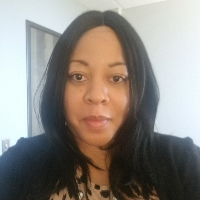
Latasha Shannon
LMSW, LCSW
Compassionate clinician for strong emotions
Opens BetterHelp in a new tab, where you can review online therapy options.
- Practical coping skills
- Emotion regulation focus
- Strengths based approach
About Latasha
She helps people who are coping with stress, anxiety, depression, mood disorders such as bipolar, and addiction. Anger and intimacy-related concerns are among the issues she addresses, along with grief, career stress, and family-related problems. Her work also covers compassion fatigue and challenges tied to aging or end-of-life situations.
Latasha uses several evidence-informed approaches to meet people where they are. She draws on client-centered methods to build trust and on cognitive behavioral techniques to challenge unhelpful thinking. Dialectical behavior strategies and mindfulness practices are woven in to teach emotional regulation and reduce impulsivity.
Her style is direct but warm. Sessions focus on concrete skills, safety planning when needed, and steps that can be practiced between meetings. She also supports exploration of past wounds when that helps clients make different choices in the present.
Latasha holds the Licensed Master Social Worker credential, LMSW, and the Licensed Clinical Social Worker credential, LCSW. She aims to help each person build coping tools and clearer next steps, whether the goal is symptom relief, better relationships, or stronger day-to-day functioning.
Areas of expertise
Primary focus
Also works with
Additional focus areas
Therapeutic approaches
Experience
19+ years
Credentials
Michigan, Arizona, Kentucky
Languages
English
How therapy methods translate to online work
Client-centered therapy focuses on listening and building a strong working connection. In practice this means the therapist follows your lead, reflects what you say, and helps you set clear goals. Cognitive behavioral therapy, or CBT, targets the thoughts and behaviors that keep problems going. It involves identifying patterns, testing new behaviors, and practicing skills between sessions to reduce anxiety, low mood, or problematic reactions.Finding the right approach is a collaborative process. The therapist will work with each person to choose which methods fit their needs and goals. That may mean starting with skills-based work, then adding deeper exploration of past experiences if that helps you feel and function better.
Confirm current session options before booking, since specific formats are not listed in the profile. Online therapy can make it easier to fit sessions into a busy life by saving travel time, allowing shorter check-ins when needed, and reducing scheduling friction. It also supports consistent practice of skills between meetings, which is important for managing anger, impulsivity, and mood symptoms.
At a glance
- Listed location
- Michigan
- Experience
- 19+ years
- Credentials
- LMSW, LCSW
- Languages
- English
- License (Michigan)
- LMSW · No. 6801089411
- License (Arizona)
- LCSW · No. LCSW-23255
- License (Kentucky)
- LCSW · No. LCSW00001258
- NPI
- 1669754271
As listed by the therapist. You can check a license with the state board and an NPI with the national registry.
Frequently asked questions
What concerns does Latasha commonly address?
She works with stress, anxiety, depression, mood disorders, addiction, trauma, anger, grief, relationship and family issues, intimacy concerns, and compassion fatigue.
What is her therapeutic style like?
Her style is warm and direct with a focus on practical skills. Sessions often include emotional regulation strategies and steps to try between meetings.
How much experience does she have?
Latasha brings 19 years of experience supporting people through complex emotional and life challenges.
What credentials and location are listed?
She holds LMSW (Licensed Master Social Worker) and LCSW (Licensed Clinical Social Worker) credentials and practices in Michigan.
Which languages are supported for sessions?
Sessions are offered in English.
Are international clients accepted?
International clients are not currently accepted.
How are sessions structured and what formats are available?
Confirm current session options before booking, as specific formats are not listed in the profile. The therapist will provide details when you begin the scheduling process.
How does payment and starting therapy work?
Cost varies by location and availability; sessions use a subscription that can be canceled at any time. To begin, select the Start Therapy button, complete the short matching questionnaire, and schedule based on therapist availability.
Before you start
- Online talk therapy is not a court-ordered or mandated anger-management course, and it does not provide attendance certificates.
- Check that the location and license details above fit where you live.
- If anyone is at risk of being harmed, contact emergency services or a domestic-abuse helpline first. See the support lines for the US, UK and Australia.