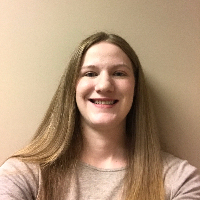
Lindsay DeMarlie
LCSW, LISW
Compassionate, practical help for anger and stress
Opens BetterHelp in a new tab, where you can review online therapy options.
- Client-centered care
- Skills-focused sessions
- Trauma-informed approach
About Lindsay
Lindsay brings ten years of clinical experience to her work. She often supports people dealing with trauma from childhood or adulthood, mood difficulties like bipolar disorder, and challenges tied to substance use. She also helps with relationship strain, parenting stress, body image, and work-related burnout such as compassion fatigue.
Her style is client-centered and direct. Lindsay uses cognitive behavioral techniques to identify unhelpful thoughts and try new behaviors. She also draws on Acceptance and Commitment Therapy and mindfulness to help people notice what matters and build values-based action.
Sessions emphasize clear goals and skill practice. Lindsay works with each person to set realistic steps and monitors progress along the way. She focuses on concrete tools for managing anger, regulating emotions, and improving communication.
Many clients appreciate a practical approach that blends skills training with empathy. Lindsay encourages questions and keeps sessions focused on what a person wants to change. She asks people to take a small step between sessions so progress can be tracked and adjusted as needed.
Areas of expertise
Primary focus
Also works with
Additional focus areas
Therapeutic approaches
Experience
10+ years
Credentials
Illinois, Iowa
Languages
English
How therapeutic approaches shape remote work
Acceptance and Commitment Therapy (ACT) helps people clarify what matters most to them and take small steps toward those values even when feelings are difficult. It is often used for stress, anxiety, and anger when practical action matters. Cognitive Behavioral Therapy (CBT) focuses on spotting unhelpful thoughts and testing new behaviors to change mood and reactions, which can be useful for depression, anxiety, and anger management. Dialectical Behavior Therapy (DBT) offers concrete emotion-regulation and distress-tolerance skills for intense feelings and relationship strain.Choosing the right approach is part of the work together. The therapist will discuss options and tailor methods to a person's goals, needs, and pace. That collaborative process helps make sessions feel relevant from the start.
The therapist's profile does not list specific online session formats, so confirm available options before booking. Online therapy can make it easier to fit sessions into a busy week, reduce travel time, or use shorter check-ins when schedules are tight. It also allows people to continue consistent work on skills between sessions. Licensed professionals can adapt ACT, CBT, and DBT techniques to phone or video appointments when those formats are offered, keeping the focus on practical tools and progress rather than on logistics.
At a glance
- Listed location
- Iowa
- Experience
- 10+ years
- Credentials
- LCSW, LISW
- Languages
- English
- License (Illinois)
- LCSW · No. 149018275
- License (Iowa)
- LISW · No. 008227
- NPI
- 1073024600
As listed by the therapist. You can check a license with the state board and an NPI with the national registry.
Frequently asked questions
What concerns does Lindsay address in therapy?
She helps people managing stress, anxiety, anger, depression, trauma, and mood concerns such as bipolar disorder. Additional areas include addictions, self-esteem, body image, and relationship or family-origin issues.
What is her therapeutic style like?
Her approach is client-centered and nonjudgmental, focusing on practical skills and clear goals. Sessions often mix skills practice with conversations about values and choices.
How much clinical experience does she have?
She has ten years of experience working with adults on mood, trauma, and behavioral concerns. That background informs a skills-based, trauma-aware approach.
What credentials and location are listed for this therapist?
She holds LCSW and LISW credentials and is based in Iowa. The listing notes Illinois LCSW and Iowa LISW credentialing on her profile.
Which languages are sessions offered in?
Sessions are offered in English. International clients are accepted.
What session formats are available?
The original profile does not specify session formats, so please confirm current session options before booking.
How is cost handled for sessions?
Cost varies with location and therapist availability and uses a subscription model that can be canceled at any time.
How do I start working with this therapist?
Use the Start Therapy button, complete a short matching questionnaire, and schedule according to therapist availability.
Before you start
- Online talk therapy is not a court-ordered or mandated anger-management course, and it does not provide attendance certificates.
- Check that the location and license details above fit where you live.
- If anyone is at risk of being harmed, contact emergency services or a domestic-abuse helpline first. See the support lines for the US, UK and Australia.