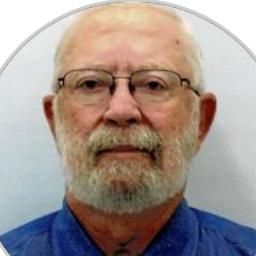
Louis Koch
LSCSW, LCSW
Experienced, calm social worker
Opens BetterHelp in a new tab, where you can review online therapy options.
- 40 years experience
- Warm listening style
- Practical coping skills
About Louis
Areas of expertise
Primary focus
Also works with
Additional focus areas
Therapeutic approaches
Experience
40+ years
Credentials
Kansas, Missouri
Languages
English
How his approaches translate to online work
Client-Centered Therapy centers the person’s experience and emphasizes understanding and empathy. In practice this means conversations that follow what matters most to the client and pace changes according to their comfort. Cognitive Behavioral Therapy (CBT) focuses on identifying unhelpful thoughts and behaviors and teaching concrete skills to shift them, which can help with anxiety, depression, and anger. Dialectical Behavior Therapy (DBT) adds practical skills for emotion regulation, distress tolerance, and clearer communication, useful when emotions feel overwhelming.Choosing the right approach is part of the work together. Louis will talk with each person about their goals and preferences and recommend ways of working that match those needs. The plan can change over time as progress and challenges become clearer, so the process stays collaborative.
If you are considering online therapy, confirm the session options available before booking. Online formats can make it easier to fit appointments into a busy day, reduce travel time, and allow for shorter check-ins when that suits someone’s schedule. Talk with the therapist about what will work best given your technology, how much time you have, and what kind of session rhythm helps you make steady progress.
At a glance
- Listed location
- Kansas
- Experience
- 40+ years
- Credentials
- LSCSW, LCSW
- Languages
- English
- License (Kansas)
- LSCSW · No. LSCSW 0278
- License (Missouri)
- LCSW · No. 002911
- NPI
- 1386855831
As listed by the therapist. You can check a license with the state board and an NPI with the national registry.
Frequently asked questions
What concerns does Louis commonly address?
He works with stress, anxiety, depression, addictions, grief, anger, relationship issues, and a wide range of related problems such as trauma, sleep or eating difficulties, and self-esteem.
What is his therapeutic style like?
He keeps sessions open and nonjudgmental and listens closely before offering ideas. Sessions often mix supportive listening with practical skills and coping strategies.
How much experience does he have?
He brings forty years of professional work experience to his practice and has worked with many common life and mental health concerns over that time.
What are his credentials and where is he based?
He holds KS LSCSW and MO LCSW credentials and is based in Kansas.
Which languages are supported?
Sessions are offered in English.
Can international clients connect with him?
He does not accept international clients at this time.
How are sessions paid for?
Cost varies with location and therapist availability; sessions use a subscription that can be canceled at any time.
How do I begin working with him?
Select the Start Therapy button, complete a short matching questionnaire, and schedule according to therapist availability.
Before you start
- Online talk therapy is not a court-ordered or mandated anger-management course, and it does not provide attendance certificates.
- Check that the location and license details above fit where you live.
- If anyone is at risk of being harmed, contact emergency services or a domestic-abuse helpline first. See the support lines for the US, UK and Australia.