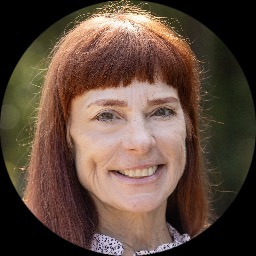
Marianne Matos
LPC
Calm, person-centered counseling for everyday struggles
Opens BetterHelp in a new tab, where you can review online therapy options.
- Person-centered support
- Trauma-informed skills
- Practical self-esteem work
About Marianne
Marianne has eight years of counseling experience, much of it in crisis work. She spent years at a crisis center helping people who experienced domestic violence and sexual assault. That work shaped how she responds to trauma and crisis situations in counseling.
She combines person-centered care with cognitive behavioral techniques and mindfulness. Eye Movement Desensitization and Reprocessing (EMDR) is part of her toolkit for trauma-related work. Marianne also draws on Attachment-Based and Dialectical Behavior Therapy ideas when they suit a person's needs.
Her background includes a Master of Science in Mental Health Counseling and a Bachelor of Science in Psychology. She has worked with adults across the lifespan, including older adults, and has had roles supporting children and young adults in community services settings.
Marianne has additional experience as an equine specialist in mental health and learning and years of work teaching dance, which influence her practical, movement-friendly outlook. She aims to make therapy useful and doable, focusing on immediate concerns while planning for longer-term goals.
Areas of expertise
Also works with
Additional focus areas
Therapeutic approaches
Experience
8+ years
Credentials
South Carolina
Languages
English
How therapy approaches shape online work
Marianne blends person-centered care with cognitive behavioral therapy (CBT) and Attachment-Based ideas to guide online sessions. Person-centered work focuses on listening and working from a client's own goals, helping people feel understood and involved in each step. CBT looks at thoughts and behaviors and offers practical exercises to reduce anxiety, anger, and depression symptoms. Attachment-Based approaches pay attention to patterns in relationships and help people change how they relate to others and to themselves.Choosing the right approach is a collaborative process. Marianne will discuss what feels most useful based on a person's goals and preferences, and she adjusts methods as progress is made. Clients and the therapist decide together which techniques to emphasize and when to try different options.
The practical benefits of online therapy include easier scheduling and fitting sessions into a busy day. Online work can make it simpler to have shorter check-ins, avoid travel time, or keep continuity when routines change. Confirm current session options before booking so you know what formats are offered and can pick what fits your life.
At a glance
- Listed location
- South Carolina
- Experience
- 8+ years
- Credentials
- LPC
- Languages
- English
- License (South Carolina)
- LPC · No. 7609
- NPI
- 1649879008
As listed by the therapist. You can check a license with the state board and an NPI with the national registry.
Frequently asked questions
What kinds of concerns does Marianne address?
She helps people with stress, anxiety, trauma and abuse, anger, depression, self-esteem, grief, addictions, and related issues listed in her specialties.
What is her general therapy style?
Her work is primarily person-centered, using cognitive behavioral techniques, mindfulness, and EMDR when appropriate to address trauma and coping skills.
How much clinical experience does she have?
She has eight years of counseling experience, including extensive crisis work at a center serving victims of domestic violence and sexual assault.
What credentials and region are listed for this therapist?
She is an LPC (Licensed Professional Counselor) practicing in South Carolina with a Master of Science in Mental Health Counseling and a Bachelor of Science in Psychology.
Which languages are supported for sessions?
Sessions are offered in English.
Are international clients served?
International clients are not currently accepted.
How does payment and cost work?
Cost varies with location and therapist availability; sessions use a subscription that can be canceled at any time.
How do I begin working with this therapist?
Use the Start Therapy button, complete a short matching questionnaire, and schedule according to the therapist's availability.
Before you start
- Online talk therapy is not a court-ordered or mandated anger-management course, and it does not provide attendance certificates.
- Check that the location and license details above fit where you live.
- If anyone is at risk of being harmed, contact emergency services or a domestic-abuse helpline first. See the support lines for the US, UK and Australia.