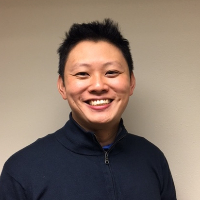
Mark Yeung
LCSW
Calm, values-centered therapy for practical change
Opens BetterHelp in a new tab, where you can review online therapy options.
- ACT and CBT approaches
- Skills for anger and stress
- Experience with grief
About Mark
He uses Acceptance and Commitment Therapy (ACT), Cognitive Behavioral Therapy (CBT), and Dialectical Behavior Therapy (DBT) alongside a client-centered, humanistic stance. Sessions focus on real-life changes: noticing patterns, learning concrete tools, and testing new ways of acting that match a person's values.
Mark has worked with people facing medical illness, end-of-life issues, bereavement, and veterans. That background informs his approach to grief, chronic illness, caregiver stress, and complex life transitions. He also supports clients dealing with addiction, ADHD, and challenges around identity and discrimination.
In therapy he emphasizes the relationship and practical steps. He pays attention to empathy, warmth, and clear goals. People can expect a mix of listening, skill-building, and gentle challenges aimed at changing unhelpful behaviors.
Mark is licensed in Oregon as an LCSW. Sessions are conducted in English. To begin, a short matching questionnaire helps connect people to the right therapist and scheduling is set through the platform.
Areas of expertise
Primary focus
Also works with
Additional focus areas
Therapeutic approaches
Experience
12+ years
Credentials
Oregon, Washington, California
Languages
English
How therapeutic approaches shape online care
Acceptance and Commitment Therapy (ACT) helps people clarify what matters to them and take small steps toward those values, even when emotions are strong. Cognitive Behavioral Therapy (CBT) focuses on identifying unhelpful thoughts and habits and practicing concrete skills to change them. Dialectical Behavior Therapy (DBT) offers hands-on tools for emotion regulation, distress tolerance, and improving interpersonal effectiveness.Choosing the right approach is a shared process. The therapist will talk with the client about goals and preferences and then try strategies that fit those needs. If something isn’t working, adjustments are made together so the work stays practical and relevant.
Confirm the current session options before booking, as formats are not specified here. Online work can make it easier to fit therapy into a busy week, allow shorter check-ins when needed, and reduce travel time. It also lets people use skills learned in sessions in their everyday settings sooner. Licensed professionals adapt exercises and homework so clients can practice between meetings and track progress over time.
At a glance
- Listed location
- Oregon
- Experience
- 12+ years
- Credentials
- LCSW
- Languages
- English
- License (Oregon)
- LCSW · No. L5904
- License (Washington)
- LICSW · No. LW60567700
- License (California)
- LCSW · No. 28753
- NPI
- 1356686398
As listed by the therapist. You can check a license with the state board and an NPI with the national registry.
Frequently asked questions
What concerns does this therapist often help with?
He helps people with stress, anxiety, anger, grief, depression, relationship and intimacy issues, addictions, ADHD, and career matters among other concerns.
How would you describe his therapeutic style?
His style blends Acceptance and Commitment Therapy, Cognitive Behavioral Therapy, Dialectical Behavior Therapy, and a client-centered humanistic approach focused on practical skills and values-based change.
What kind of experience does he bring?
He has 12 years of clinical experience working with medically ill and terminally ill people, the bereaved, veterans, and others facing major life stressors.
Where is he licensed and based?
He is a Licensed Clinical Social Worker (LCSW) licensed in Oregon; he also holds licenses in other states but Oregon is the listed location for this profile.
Which languages are supported for sessions?
Sessions are offered in English.
Can people outside the United States work with him?
International clients are not currently accepted.
How are fees and payment handled?
Cost varies with location and therapist availability; sessions use a subscription that can be canceled at any time.
What are the first steps to begin therapy?
Start by selecting the Start Therapy button, complete a short matching questionnaire, and then schedule sessions according to the therapist's availability.
Before you start
- Online talk therapy is not a court-ordered or mandated anger-management course, and it does not provide attendance certificates.
- Check that the location and license details above fit where you live.
- If anyone is at risk of being harmed, contact emergency services or a domestic-abuse helpline first. See the support lines for the US, UK and Australia.