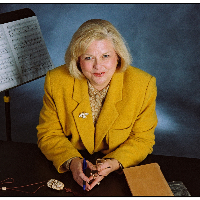
Marsha Johnson
LMHC
Compassionate counselor using talk and expressive methods
Opens BetterHelp in a new tab, where you can review online therapy options.
- LMHC
- 15 years experience
- Music therapy background
About Marsha
Marsha has worked in hospitals, nursing homes, schools, senior centers, and inpatient units since 1995. That background includes day programs for people with developmental and severe mental health needs and recent work in hospice music therapy. This range has shaped a flexible approach to care.
Her counseling combines cognitive-behavioral methods, humanistic listening, motivational enhancement, and expressive therapy. In practice that means helping people notice unhelpful thoughts, set small goals, and use creative tools to process feelings. Sessions focus on doable steps rather than abstract theory.
Common concerns she addresses include stress, anxiety, grief, depression, coping with life changes, ADHD, relationship and intimacy issues, eating and sleeping difficulties, parenting strain, anger, self-esteem, and career questions. She also works with aging and geriatric issues, caregiver stress, chronic illness and pain, hospice and end-of-life concerns, and multicultural matters.
Marsha brings 15 years of experience as an LMHC alongside a background in music therapy and a neurologic music therapy specialization. She practices in Massachusetts and offers services in English. People can expect a warm, steady presence and a focus on practical, individualized plans.
Areas of expertise
Also works with
Additional focus areas
Experience
15+ years
Credentials
Massachusetts
Languages
English
How therapeutic approaches guide online care
Marsha draws on cognitive-behavioral techniques and expressive therapy to help people manage difficult feelings. Cognitive-behavioral work focuses on identifying unhelpful thoughts and testing small behavior changes to reduce symptoms like anxiety or anger. Expressive therapy brings creative tools into sessions - such as music-informed exercises - to help people process grief, stress, and change beyond words.Finding the right approach is a collaborative process. The therapist will listen to concerns, discuss options, and try methods that match the client’s goals and comfort level. Over time the plan can change as needs shift and progress is reviewed together.
The original biography does not list specific online session formats, so confirm the therapist's current session options before booking. In general, online work can make it easier to fit therapy into a busy life - for example by reducing travel time, allowing shorter check-ins around work breaks, or removing the need to arrange transportation. Licensed professionals can adapt cognitive and expressive techniques for remote sessions, using focused exercises, goal-setting, and creative prompts that fit the client’s routine.
At a glance
- Listed location
- Massachusetts
- Experience
- 15+ years
- Credentials
- LMHC
- Languages
- English
- License (Massachusetts)
- LMHC · No. 5050
- NPI
- 1528261724
As listed by the therapist. You can check a license with the state board and an NPI with the national registry.
Frequently asked questions
What concerns does this therapist address?
She helps with stress, anxiety, grief, depression, anger, self-esteem, and coping with life changes. Additional focuses include ADHD, caregiver stress, chronic illness, end-of-life issues, and multicultural concerns.
What is her general therapy style?
Her style blends cognitive-behavioral techniques, humanistic listening, motivational enhancement, and expressive therapy. She focuses on strengths and practical steps clients can use day to day.
How much clinical experience does she have?
She has worked in clinical and community settings since 1995 and holds 15 years of experience as an LMHC. That background includes hospital, hospice, school, and senior center work.
Where is her practice located and what are her credentials?
She practices in Massachusetts and holds a Master of Arts and is a Licensed Mental Health Counselor (MA LMHC).
Which languages does she use in sessions?
Sessions are offered in English.
Can people outside the United States work with her?
International clients are not currently accepted.
What are the session formats and scheduling details?
The original biography does not specify session formats, so confirm current session options before booking. Scheduling is done after a short matching questionnaire and according to therapist availability.
How are fees handled and how do I begin?
Cost varies with location and therapist availability, and sessions use a subscription that can be canceled at any time. To get started, select the Start Therapy button, complete the short matching questionnaire, and schedule based on availability.
Before you start
- Online talk therapy is not a court-ordered or mandated anger-management course, and it does not provide attendance certificates.
- Check that the location and license details above fit where you live.
- If anyone is at risk of being harmed, contact emergency services or a domestic-abuse helpline first. See the support lines for the US, UK and Australia.