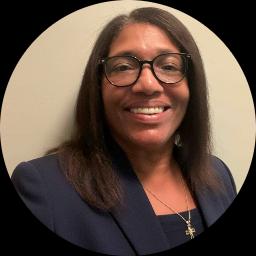
Mary Redding
LCSW
Experienced LCSW helping with anger and relationships
Opens BetterHelp in a new tab, where you can review online therapy options.
- Practical coping strategies
- Family dynamics support
- Skill focused sessions
About Mary
She helps parents and caregivers sort through parenting challenges and blended family dynamics. She also supports people dealing with attachment issues, abandonment, adoption and foster care questions, and caregiver stress. When someone is overwhelmed by change or loss, she offers steady guidance and problem-solving tools.
Mary uses a mix of approaches to match a person’s needs, drawing on cognitive behavioral ideas, acceptance and commitment concepts, attachment-based insights, client-centered listening, and skills from dialectical behavior methods. Sessions aim to clarify what matters most and build small, useful habits. She keeps language simple and focuses on steps people can try between meetings.
Her work includes helping with codependency, communication problems, control issues, and the fallout from domestic violence or divorce. She also addresses compassion fatigue and supports people facing aging or caregiver burdens. The emphasis is on practical coping, clearer boundaries, and restoring a sense of direction.
People who choose her can expect a collaborative, respectful process. She will help set goals, track progress, and adjust the plan as needs change.
Areas of expertise
Primary focus
Also works with
Additional focus areas
Therapeutic approaches
Experience
36+ years
Credentials
Mississippi
Languages
English
How therapeutic approaches translate to online sessions
Acceptance and Commitment Therapy, or ACT, focuses on clarifying values and taking committed action toward what matters. It helps people reduce avoidance and build a life that reflects their priorities. Cognitive Behavioral Therapy, or CBT, looks at the connection between thoughts, feelings, and actions and teaches practical skills for changing unhelpful patterns. It is often useful for anxiety, depression, and anger management.Choosing the right approach is part of the work. The therapist will collaborate with each person to decide which methods fit their goals, needs, and personal style. That decision can shift over time as progress is tracked and new concerns come up.
Confirm current session options before booking, since formats are not specified in the biography. Online therapy can make it easier to fit sessions into a busy schedule, reduce travel time, and allow shorter check-ins on hectic days. It can also let people work on skills between meetings in the spaces they normally live and work in. Licensed professionals can adapt ACT and CBT techniques effectively in remote sessions when approach, goals, and practical needs are discussed up front.
At a glance
- Listed location
- Mississippi
- Experience
- 36+ years
- Credentials
- LCSW
- Languages
- English
- License (Mississippi)
- LCSW · No. C0533
- NPI
- 1811059553
As listed by the therapist. You can check a license with the state board and an NPI with the national registry.
Frequently asked questions
What concerns does Mary commonly address?
She helps people with anger, family and parenting issues, anxiety, depression, addiction, grief, trauma, relationship strain, and related concerns like codependency and caregiver stress.
What is her therapeutic style like?
Her style is empathetic and straightforward, combining listening with practical steps. Sessions focus on skills and small changes to improve day-to-day functioning.
How much experience does she have?
She has 36 years of clinical experience practicing in Mississippi and working with a wide range of life challenges.
What are her credentials and location?
She holds an MS and is a Licensed Clinical Social Worker (LCSW) based in Mississippi.
Which languages are supported for sessions?
Sessions are offered in English.
Can people outside the United States work with her?
International clients are not currently accepted.
How are session fees handled?
Cost varies with location and therapist availability; sessions use a subscription that can be canceled at any time.
What are the first steps to begin sessions?
Select the Start Therapy button, complete the short matching questionnaire, and schedule according to the therapist's availability.
Before you start
- Online talk therapy is not a court-ordered or mandated anger-management course, and it does not provide attendance certificates.
- Check that the location and license details above fit where you live.
- If anyone is at risk of being harmed, contact emergency services or a domestic-abuse helpline first. See the support lines for the US, UK and Australia.