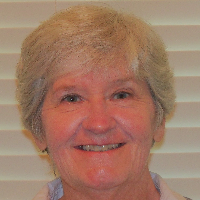
Mary Snyder
LPCC
Collaborative counselor helping people find practical change
Opens BetterHelp in a new tab, where you can review online therapy options.
- Client-centered approach
- Solution focused options
- 15 years experience
About Mary
Mary is a Licensed Professional Clinical Counselor, LPCC, with 15 years of experience working in community counseling and with diverse settings. She has provided services for depression, anxiety, relationship and communication concerns, anger, stage-of-life transitions, career questions, and adjustment issues. Her background includes work with foster families and time providing counseling on U.S. military installations and in Germany.
Her style balances short-term, solution-focused work with longer-term approaches when issues are more complex. She offers observations, support, encouragement, and ideas rather than telling clients what they should do. That mix lets people test practical steps and then adapt what works for them.
Mary draws on Cognitive Behavioral Therapy, mindfulness, motivational interviewing, psychodynamic ideas, and client-centered practices to tailor sessions. She helps people address stressors, addictions, grief, self-esteem, intimacy concerns, and caregiving stress among other topics. The goal is clearer self-understanding and workable change.
If someone feels stuck or unsure where to begin, Mary assists in sorting things out and setting small, attainable goals. Her focus is on helping people notice patterns, try new responses, and build momentum toward a more satisfying life.
Areas of expertise
Primary focus
Also works with
Additional focus areas
Therapeutic approaches
Experience
15+ years
Credentials
Ohio
Languages
English
How these therapy approaches translate to online work
Client-Centered Therapy focuses on listening, reflection, and helping people name what matters most to them. Online sessions let a therapist follow the client's lead, ask clarifying questions, and co-create goals that fit day-to-day life.Cognitive Behavioral Therapy (CBT) breaks problems into thoughts, feelings, and actions and tests small experiments to change patterns. Delivered remotely, CBT can be used to set homework, track mood, and practice new skills between meetings.
Mindfulness Therapy teaches attention skills to reduce reactivity and increase calm in stressful moments. It can include short exercises to try between sessions and simple routines to bring more awareness into daily life.
Choosing the right approach is part of the work together. The therapist will discuss goals, preferences, and what has or hasn't helped before, then suggest methods to try. This is a collaborative process and approaches can be adjusted as needs change.
Confirm the available session formats before booking, since options are set by the therapist's practice. Online therapy can make it easier to fit sessions into a busy schedule, allow for shorter check-ins when helpful, and reduce travel time. It also supports carrying exercises into real life between meetings so progress can build steadily.
At a glance
- Listed location
- Ohio
- Experience
- 15+ years
- Credentials
- LPCC
- Languages
- English
- License (Ohio)
- LPCC · No. E.0008423-SUPV
- NPI
- 1265578512
As listed by the therapist. You can check a license with the state board and an NPI with the national registry.
Frequently asked questions
What kinds of problems does Mary address?
She helps people with stress, anxiety, depression, relationship and communication issues, anger, addictions, grief, self-esteem, career concerns, and life transitions among other topics.
What is her therapeutic style like?
Her style is collaborative and client-centered; she offers observations and practical ideas while clients remain the experts on their experience.
How long has she been practicing?
Mary has 15 years of counseling experience working in community centers, with foster families, and on military installations including work in Germany.
What credential does she hold and where is she located?
She holds the LPCC credential and practices in Ohio.
Which languages are supported for sessions?
Sessions are offered in English.
Can people outside the U.S. work with her?
She does not accept international clients at this time.
How are costs and billing handled?
Cost varies with location and therapist availability; sessions use a subscription that can be canceled at any time.
What steps start the process of working together?
Use the Start Therapy button, complete a short matching questionnaire, and then schedule according to the therapist's availability.
Before you start
- Online talk therapy is not a court-ordered or mandated anger-management course, and it does not provide attendance certificates.
- Check that the location and license details above fit where you live.
- If anyone is at risk of being harmed, contact emergency services or a domestic-abuse helpline first. See the support lines for the US, UK and Australia.