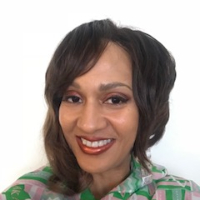
Pamela Davis
LMSW
Compassionate LMSW helping people manage strong emotions
Opens BetterHelp in a new tab, where you can review online therapy options.
- Practical coping tools
- Mindfulness focus
- Nonjudgmental listening
About Pamela
Pamela listens closely and builds rapport quickly so clients can tackle problems without feeling judged. Sessions focus on clear steps you can try between meetings. She encourages self-acceptance, self-love, and self-forgiveness as the foundation for change.
Her approach is flexible and tailored to each person. Pamela draws on client-centered methods, cognitive behavioral tools, dialectical behavior ideas, emotionally-focused work, and mindfulness practices. She blends these to fit what a person needs in the moment rather than following a single formula.
In practice she uses active listening, gentle challenge, and problem-solving to help people notice patterns and try new responses. Pamela pays attention to past hurts like trauma or abuse, and to current struggles such as caregiving stress, body image, and intimacy issues. She also supports people facing medical issues, chronic pain, or major life transitions.
People can expect direct, easy-to-understand guidance and strategies that relate to their daily life. Pamela believes everyone has inner resources to draw on, and she works alongside clients to help them access those tools and move forward.
Areas of expertise
Primary focus
Also works with
Additional focus areas
Therapeutic approaches
Experience
32+ years
Credentials
Michigan
Languages
English
How Pamela’s Approaches Work Online
Client-Centered Therapy focuses on respectful listening and helping people find their own solutions. It’s useful when someone needs support building confidence and clearer self-understanding.Cognitive Behavioral Therapy (CBT) looks at unhelpful thoughts and behaviors and teaches practical skills to change them. It often helps with anxiety, depression, anger, and sleep or eating concerns.
Dialectical Behavior Therapy (DBT) offers concrete skills for managing intense emotions, improving distress tolerance, and strengthening interpersonal effectiveness. This can be helpful for people who struggle with overwhelming feelings or relationship conflicts.
Finding the right approach is a team effort. Pamela will work with each person to choose methods that match their goals, needs, and preferences. Together they decide what to try first and adjust as progress is made.
The profile does not list specific online session formats, so confirm current options before booking. Online therapy can make it easier to fit sessions into a busy life, shorten travel time, allow for shorter check-ins when needed, and let people use quieter surroundings or less bandwidth when that helps. Licensed professionals can adapt these approaches to work well across different ways of meeting, focusing on useful skills and changes that matter day to day.
At a glance
- Listed location
- Michigan
- Experience
- 32+ years
- Credentials
- LMSW
- Languages
- English
- License (Michigan)
- LMSW · No. 6801087123
- NPI
- 1366115495
As listed by the therapist. You can check a license with the state board and an NPI with the national registry.
Frequently asked questions
What concerns does Pamela address?
She supports people facing stress, anxiety, depression, anger, relationship struggles, grief, addictions, ADHD, and many related issues.
What is her general therapy style?
Her style is nonjudgmental and empathetic with active listening and problem-solving. Sessions aim to be practical and supportive.
How much clinical experience does she have?
Pamela has 32 years of experience working with a wide range of concerns, including trauma, abuse, and social skills challenges.
What credentials and region are listed for this therapist?
She is a Licensed Master Social Worker (LMSW) practicing in Michigan as indicated in her profile.
Which languages are supported for sessions?
Sessions are offered in English, and she accepts international clients according to the profile.
What session formats are offered?
The original biography does not list specific session formats, so confirm current options with the service before booking.
How are fees and payment handled?
Cost varies with location and therapist availability, and sessions use a subscription that can be canceled at any time.
What are the first steps to begin therapy?
Select the Start Therapy button, complete a short matching questionnaire, then schedule based on the therapist's availability.
Before you start
- Online talk therapy is not a court-ordered or mandated anger-management course, and it does not provide attendance certificates.
- Check that the location and license details above fit where you live.
- If anyone is at risk of being harmed, contact emergency services or a domestic-abuse helpline first. See the support lines for the US, UK and Australia.