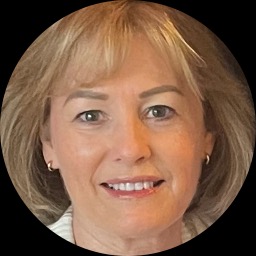
Pamela Goucher
LCSW
Experienced LCSW offering steady, practical support
Opens BetterHelp in a new tab, where you can review online therapy options.
- Warm interactive style
- Practical coping skills
- Family background focus
About Pamela
Her background includes work with depression, anxiety, bipolar challenges, trauma and abuse, addictions, and grief. Pamela also supports people dealing with relationship strain, parenting stress, anger, and career challenges. She is familiar with the 12-step approach used in Alcoholics Anonymous and has experience acknowledging how medical conditions affect daily life.
Pamela describes her style as interactive and nonjudgmental. She listens first and adapts approaches to what a person actually needs. She often uses cognitive-behavioral ideas to spot how thoughts influence feelings and actions, and she looks at family-of-origin patterns to understand present reactions.
Her practice is informed by a lifetime of personal and professional experience, including family military connections and caregiving roles. Pamela is comfortable addressing faith and spirituality when clients bring those topics up, and she has worked with people from LGBTQ communities.
She starts sessions by normalizing hard feelings and by helping clients find small, practical steps forward. Pamela aims to create a respectful space where people can sort through problems and build clearer ways to cope and move on.
Areas of expertise
Primary focus
Also works with
Additional focus areas
Therapeutic approaches
Experience
37+ years
Credentials
Arkansas, Tennessee
Languages
English
How her approaches translate to online work
Client-Centered Therapy focuses on listening and building trust. The therapist follows the client's lead, reflects what they say, and helps them find their own solutions. This approach helps when someone needs understanding and support more than direction.Cognitive Behavioral Therapy, or CBT, looks at the links between thoughts, feelings, and actions. It uses practical exercises and small experiments to test new ways of thinking and behaving, which can help with anxiety, depression, anger, and stress.
Dialectical Behavior Therapy, DBT, teaches concrete skills for emotion regulation, distress tolerance, and clearer communication. It can be useful for people who need help managing intense emotions and improving relationships.
Finding the right approach is a collaborative step. The therapist will discuss goals, try out techniques, and adjust based on what helps most. Clients and the therapist work together to match methods to the person's needs and preferences.
For practical matters, confirm current session options before booking. Online therapy can make scheduling easier, reduce travel time, and fit short check-ins into a busy day. It also allows people to use approaches like CBT exercises and skills coaching from wherever they are, while the therapist and client decide together how to structure sessions to meet real-life constraints.
At a glance
- Listed location
- Arkansas
- Experience
- 37+ years
- Credentials
- LCSW
- Languages
- English
- License (Arkansas)
- LCSW · No. 1528-C
- License (Tennessee)
- LCSW · No. 1115
- NPI
- 1124042833
As listed by the therapist. You can check a license with the state board and an NPI with the national registry.
Frequently asked questions
What kinds of problems does she help with?
Pamela works with many concerns including stress, anxiety, depression, grief, trauma and abuse, addictions, relationship and parenting issues, anger, and career or life transitions.
What is her general therapy approach and style?
She uses a warm, interactive, and nonjudgmental style. Pamela adapts techniques to each person and often leans on cognitive-behavioral ideas while also exploring family-of-origin patterns.
How long has she practiced clinically?
She has 37 years of experience in clinical therapy and medical social work, bringing long-term practice to a wide range of concerns.
Where is she licensed and based?
Pamela is a Licensed Clinical Social Worker with credentials in Arkansas and Tennessee, and her profile lists Arkansas as the stated location.
Which languages are supported for sessions?
Sessions are offered in English.
Can people outside the U.S. work with her?
International clients are not currently accepted.
How much do sessions cost?
Cost varies with location and therapist availability; sessions use a subscription that can be canceled at any time.
How do I begin working with her?
Select the Start Therapy button, complete a short matching questionnaire, and then schedule sessions according to therapist availability.
Before you start
- Online talk therapy is not a court-ordered or mandated anger-management course, and it does not provide attendance certificates.
- Check that the location and license details above fit where you live.
- If anyone is at risk of being harmed, contact emergency services or a domestic-abuse helpline first. See the support lines for the US, UK and Australia.