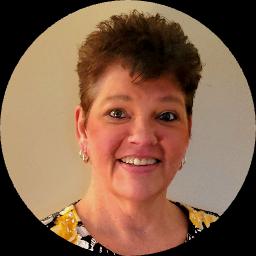
Pamela Thompson
LPC-MHSP
Compassionate counselor for strong emotions
Opens BetterHelp in a new tab, where you can review online therapy options.
- Calm practical guidance
- Emotion regulation focus
- Goal oriented planning
About Pamela
She uses a conversational style and works with clients to shape a plan that fits their needs. Sessions focus on practical steps people can try between meetings, and on clearer ways to handle strong emotions. Pamela adjusts pacing and focus so conversations stay relevant to everyday life.
Her approach draws on client-centered work, cognitive behavioral techniques, mindfulness, motivational interviewing, and narrative ideas. That mix lets her combine skills-based practice with space to talk about personal history and meaning. She often helps people notice patterns, try small changes, and reframe difficult thoughts.
Pamela has worked across a range of concerns including addictions, relationship and family questions, trauma and abuse, intimacy issues, eating and sleeping difficulties, career and self-esteem struggles, and compassion fatigue. She also has additional focus on aging and geriatric issues, caregiver stress, cancer-related concerns, hospice and end-of-life counseling, and intellectual disability.
Her counseling style is steady and practical. She encourages clients to name goals, test new strategies, and build small routines that support long-term change. To begin, she asks about what matters most to the client and tailors work from there.
Areas of expertise
Primary focus
Also works with
Additional focus areas
Therapeutic approaches
Experience
30+ years
Credentials
Tennessee
Languages
English
How these approaches translate to online care
Client-centered work focuses on listening and building trust. It means the therapist follows the client's lead, reflects concerns back, and helps outline personal goals. That approach is useful when someone needs time and space to sort their priorities.Cognitive behavioral techniques teach concrete skills for spotting and changing unhelpful thoughts and behaviors. These are practical exercises that people can try between sessions to reduce anxiety, manage anger, or shift low mood.
Mindfulness practices help people notice sensations, thoughts, and urges without immediately reacting. Short breathing or grounding exercises can reduce intensity and improve focus during stressful moments.
Choosing an approach is a collaborative process. The therapist will talk with the client about goals, preferences, and what has helped or not helped in the past. Together they will try methods that fit the person's situation and adjust as needed over time.
Because specific session formats were not listed in the biography, confirm current online options before booking. Online work can make it easier to fit sessions into a busy life, allow shorter check-ins when schedules are tight, and avoid travel time. Licensed professionals can use a mix of conversation, guided exercises, and homework tailored to each person's goals.
At a glance
- Listed location
- Tennessee
- Experience
- 30+ years
- Credentials
- LPC-MHSP
- Languages
- English
- License (Tennessee)
- LPC-MHSP · No. 4769
- NPI
- 1730218215
As listed by the therapist. You can check a license with the state board and an NPI with the national registry.
Frequently asked questions
What kinds of concerns does Pamela address?
She works with stress, anxiety, depression, bipolar disorder, grief, anger, addictions, ADHD, relationship and family issues, trauma and abuse, intimacy and sexual concerns, eating and sleeping problems, career and self-esteem struggles, and related topics.
How would you describe her therapeutic style?
Her style is conversational and practical. She blends client-centered listening with cognitive behavioral tools, mindfulness, motivational interviewing, and narrative approaches to help people make changes.
How much experience does she bring?
She has 30 years of professional work experience providing counseling and support across many concerns and settings.
What are her credentials and where is she based?
She holds the credential LPC-MHSP and practices in Tennessee.
Are sessions available in other languages or internationally?
Sessions are offered in English. International clients are not currently accepted.
What session formats are offered?
The original biography does not list specific session formats. Please confirm current session options before booking so you know what formats are available.
How is cost handled for sessions?
Session cost varies with location and therapist availability. Sessions use a subscription that can be canceled at any time.
What should I do to get started?
Select the Start Therapy button, complete the short matching questionnaire, and schedule according to therapist availability.
Before you start
- Online talk therapy is not a court-ordered or mandated anger-management course, and it does not provide attendance certificates.
- Check that the location and license details above fit where you live.
- If anyone is at risk of being harmed, contact emergency services or a domestic-abuse helpline first. See the support lines for the US, UK and Australia.