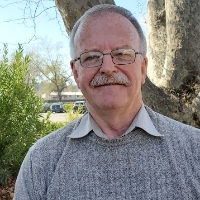
Patrick O'Leary
LMFT
Experienced California clinician for anger and life change
Opens BetterHelp in a new tab, where you can review online therapy options.
- 41 years experience
- LMFT in California
- Practical goal focus
About Patrick
Over decades of practice he has supported people through grief, trauma, parenting stress, career shifts, and health challenges. He also works with issues like ADHD, compassion fatigue, and eating concerns. He concentrates on where a person's patterns come from and what can be done differently now.
His style is collaborative and respectful. He listens first, and then helps shape goals that feel realistic. Sessions include talking through problems, learning small skills, and trying new ways of responding to difficult moments.
Patrick uses a mix of familiar therapy approaches to meet each person's needs. He draws from client-centered work to keep the conversation focused on the person. He uses cognitive behavioral methods to spot unhelpful thoughts and try alternative behaviors. He also brings narrative and solution-focused ideas to help people rewrite difficult stories and build practical next steps.
People who want clear direction and steady support may find his approach useful. He encourages clients to notice progress in small increments. To begin, clients use the site's Start Therapy process to match and schedule sessions based on availability.
Areas of expertise
Primary focus
Also works with
Additional focus areas
Therapeutic approaches
Experience
41+ years
Credentials
California
Languages
English
How therapeutic approaches translate to online work
Client-Centered Therapy puts the person's experience at the center. The therapist listens without judgment, reflects what matters to the client, and helps the client set their own goals. This approach can be helpful for people who want a respectful space to figure out what matters most to them.Cognitive Behavioral Therapy, or CBT, focuses on identifying unhelpful thoughts and testing different behaviors. It often includes clear exercises to practice between sessions and can help with anger, anxiety, depression, and mood regulation. Mindfulness Therapy encourages present-moment noticing and simple attention practices to reduce reactivity and improve coping with stress.
Choosing the right approach is a shared process. The therapist will talk with each person about their goals and preferences and adjust methods accordingly. Many people try one approach and add others over time to get a good fit.
Confirm current session options before booking so you know what formats are available. Online therapy can make it easier to fit sessions into a busy day, shorten travel time, and allow for steady check-ins during life transitions. It also makes it simpler to continue work when schedules shift, while keeping the focus on practical strategies and real-world changes.
At a glance
- Listed location
- California
- Experience
- 41+ years
- Credentials
- LMFT
- Languages
- English
- License (California)
- LMFT · No. 27408
- NPI
- 1538209572
As listed by the therapist. You can check a license with the state board and an NPI with the national registry.
Frequently asked questions
What kinds of concerns does Patrick address?
He works with a wide range of issues including addictions, relationship and intimacy concerns, anger, anxiety, depression, grief, parenting stress, trauma, and life transitions.
How would you describe his therapeutic style?
His style is collaborative and straightforward. He listens closely, helps set realistic goals, and uses practical strategies you can try between sessions.
How long has he been practicing?
He has 41 years of clinical experience working with individuals on mood disorders, addiction, family stress, and related concerns.
What are his credentials and where is he located?
He is a California licensed marriage and family therapist, listed as LMFT, and practices in California.
Which languages are supported for sessions?
Sessions are offered in English.
Can people outside the U.S. work with him?
He does not accept international clients at this time.
How are sessions paid for and what does cost look like?
Cost varies with location and therapist availability; sessions use a subscription that can be canceled at any time.
How do I begin the process to work together?
Use the Start Therapy button, complete a short matching questionnaire, and then schedule sessions according to the therapist's availability.
Before you start
- Online talk therapy is not a court-ordered or mandated anger-management course, and it does not provide attendance certificates.
- Check that the location and license details above fit where you live.
- If anyone is at risk of being harmed, contact emergency services or a domestic-abuse helpline first. See the support lines for the US, UK and Australia.