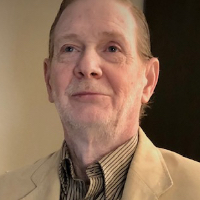
Patrick Shanahan
LCSW
Calm, practical guidance for life transitions
Opens BetterHelp in a new tab, where you can review online therapy options.
- 44 years experience
- LCSW in Missouri
- Works with couples
About Patrick
He sees both individuals and couples. Sessions focus on identifying where someone is stuck and finding practical next steps. Patrick emphasizes personal values as a guide to change and uses straightforward problem solving to help people move forward.
His early work involved creating and running an outpatient clinic at a runaway and homeless youth shelter. For 18 years he provided case management, individual therapy, and family therapy in the shelter and community. He also trained and supervised staff and graduate students and collaborated with a university on research to improve clinical work.
Patrick later worked in outpatient settings and spent 18 years in managed care, offering phone therapy and crisis intervention while helping people use their mental health benefits. He has experience providing therapy in a variety of cultural and community settings and has studied comparative religions and cultures to work respectfully with diverse values.
His clinical methods include cognitive behavioral techniques, Acceptance and Commitment Therapy, attachment-based ideas, emotionally-focused methods, brief family therapy, structural and strategic systems theory, hypnotherapy, and addiction therapies. He combines these tools to fit each person’s needs and goals.
Areas of expertise
Primary focus
Also works with
Additional focus areas
Therapeutic approaches
Experience
44+ years
Credentials
Missouri
Languages
English
How therapy approaches translate to online work
Acceptance and Commitment Therapy, or ACT, focuses on clarifying personal values and taking small, meaningful actions toward them. It can help when anger, depression, or life transitions leave someone feeling stuck. Cognitive Behavioral Therapy, or CBT, looks at the links between thoughts, feelings, and actions and teaches practical skills to change unhelpful patterns. It is often useful for anxiety, stress, and mood concerns. Attachment-Based Therapy pays attention to how early relationships shape current patterns and can be helpful for intimacy and relationship struggles.Finding the right approach is part of the work. The therapist will collaborate with each person to decide which methods match their goals, needs, and preferences. That choice can shift as progress is made, and sessions adapt to what helps most.
Confirm current session options before booking so you know what formats are offered. Online therapy can make it easier to fit sessions into a busy week, reduce travel time, and let people choose quieter surroundings or shorter check-ins when needed. Many clients find that working with a licensed professional this way supports consistent progress while staying practical for everyday life.
At a glance
- Listed location
- Missouri
- Experience
- 44+ years
- Credentials
- LCSW
- Languages
- English
- License (Missouri)
- LCSW · No. 000602
- NPI
- 1255999231
As listed by the therapist. You can check a license with the state board and an NPI with the national registry.
Frequently asked questions
What concerns does Patrick commonly address?
He helps people facing anger, relationship conflict, grief, depression, anxiety, stress, and addiction among other issues. He also supports people dealing with parenting, career change, caregiving strain, and trauma-related concerns.
What is his general therapy style?
Sessions tend to be practical and values-focused. He listens, helps identify stuck patterns, and works on concrete steps to move forward.
How much experience does he bring to therapy?
He has 44 years of professional experience in community clinics, managed care, and outpatient settings. His background includes running a youth shelter clinic and supervising staff and students.
What are his credentials and where is he based?
He holds an LCSW and practices in Missouri. The listing uses the credential as provided: LCSW.
Which languages are supported for sessions?
Sessions are offered in English. He also notes experience working with diverse cultural and religious backgrounds.
Can international clients work with him?
International clients are accepted. Confirm scheduling and any time zone details when arranging sessions.
How are fees and payment handled?
Cost varies with location and therapist availability, and sessions use a subscription that can be canceled at any time. Exact pricing is provided during the intake process.
How do I begin working with him?
Select the Start Therapy button, complete a short matching questionnaire, and schedule according to therapist availability. The questionnaire helps match needs and goals before the first session.
Before you start
- Online talk therapy is not a court-ordered or mandated anger-management course, and it does not provide attendance certificates.
- Check that the location and license details above fit where you live.
- If anyone is at risk of being harmed, contact emergency services or a domestic-abuse helpline first. See the support lines for the US, UK and Australia.