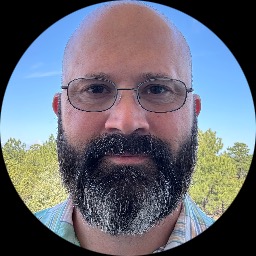
Paul Brunner
LCSW, CSW
Practical therapy for strong emotions and trauma
Opens BetterHelp in a new tab, where you can review online therapy options.
- Direct supportive guidance
- Trauma informed care
- Skills for daily life
About Paul
He spent much of his career serving men and women in the military, beginning as a mental health technician in 1999 and later serving as an Army officer and active duty social worker. While enlisted he completed his undergraduate degree and went on to earn a Master of Social Work. He holds LCSW and CSW credentials and is licensed in Colorado and North Carolina.
Paul draws on several therapeutic methods to address problems such as stress, anxiety, trauma, anger, depression, compassion fatigue, and substance-related concerns. He also supports people facing issues like sleep disruption, self-esteem struggles, career stress, ADHD, and bipolar mood challenges. His background includes work with victims of domestic violence and sexual abuse, and with veterans who have experienced trauma.
In sessions he uses straightforward tools from Cognitive Behavioral Therapy, Dialectical Behavior Therapy, Eye Movement Desensitization and Reprocessing, mindfulness, and motivational interviewing. He focuses on meeting people where they are, helping them name what feels hard, and building skills that fit daily life. Paul aims to help people heal from past wounds and begin practical steps toward better emotional balance.
People can expect direct, calm guidance and an emphasis on coping skills they can use between meetings. He frames therapy as a collaborative process and supports clients as they set realistic goals and try new ways of responding to stress.
Areas of expertise
Primary focus
Also works with
Additional focus areas
Therapeutic approaches
Experience
15+ years
Credentials
North Carolina, Colorado
Languages
English
How Paul blends evidence-based approaches for online work
Paul commonly uses Cognitive Behavioral Therapy and Eye Movement Desensitization and Reprocessing to address symptoms and past trauma. Cognitive Behavioral Therapy focuses on practical ways to shift unhelpful thinking and behaviors, helping with anxiety, depression, and anger. Eye Movement Desensitization and Reprocessing is a trauma-focused method that helps reduce the intensity of distressing memories and the reactions they trigger.He also draws on Dialectical Behavior Therapy skills and mindfulness techniques to teach emotion regulation, distress tolerance, and grounding exercises. Motivational interviewing can support people struggling with change, such as substance use or sticking to self-care plans. Paul approaches treatment collaboratively and will work with each person to identify which methods match their needs and goals.
If you're considering online therapy, confirm the current session options before booking. The therapist will help arrange a schedule that fits everyday life and priorities. Online work can make it easier to fit sessions into a busy week, allow a shorter check-in when needed, and let people choose what feels most practical for their routine. The focus stays on building useful skills, processing hard experiences, and trying workable changes between meetings.
At a glance
- Listed location
- Colorado
- Experience
- 15+ years
- Credentials
- LCSW, CSW
- Languages
- English
- License (North Carolina)
- LCSW · No. C007062
- License (Colorado)
- LCSW · No. CSW.09926354
- NPI
- 1659517837
As listed by the therapist. You can check a license with the state board and an NPI with the national registry.
Frequently asked questions
What concerns does Paul commonly address?
He helps with stress, anxiety, trauma and abuse, anger, depression, compassion fatigue, LGBT concerns, family issues, sleep problems, self esteem, career stress, bipolar disorder, and ADHD.
What is his general therapy style?
Paul uses a straightforward, skills-focused style. He combines practical strategies with trauma-informed listening and goal setting.
How much clinical experience does he have?
He has been working in mental health for 15 years, including roles as a mental health technician, Army officer, and active duty social worker.
What credentials and where is he licensed?
He holds LCSW and CSW credentials and is licensed in Colorado and North Carolina.
Which languages are supported in sessions?
Sessions are offered in English.
Can people outside the United States work with him?
He does not accept international clients at this time.
How are fees and payment handled?
Cost varies with location and therapist availability, and sessions use a subscription that can be canceled at any time.
What do I do to begin working together?
Select the Start Therapy button, complete a short matching questionnaire, and schedule according to therapist availability.
Before you start
- Online talk therapy is not a court-ordered or mandated anger-management course, and it does not provide attendance certificates.
- Check that the location and license details above fit where you live.
- If anyone is at risk of being harmed, contact emergency services or a domestic-abuse helpline first. See the support lines for the US, UK and Australia.