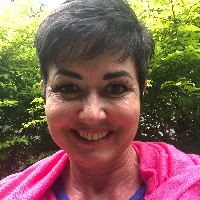
Rebecca Wedel
LCSW
Compassionate listener who guides practical change
Opens BetterHelp in a new tab, where you can review online therapy options.
- Builds strong rapport
- Practical coping tools
- Focus on life transitions
About Rebecca
Her work draws on several therapy styles to match the problem at hand. She often uses cognitive behavioral ideas to notice and change unhelpful thoughts and behaviors. She also brings client-centered listening to create space for someone to tell their story and be met without judgment.
Rebecca has experience supporting people through caregiving stress and issues around aging and end-of-life decisions. She has worked in medical and psychiatric settings and with people facing addiction, trauma, and parenting challenges. That background informs how she helps people manage strong emotions and complicated family dynamics.
She describes herself as a careful listener who is energetic and empathetic. Rebecca aims to help people identify patterns that shape their daily life and then test new ways of coping. Sessions tend to be practical, with tools you can use between meetings.
Outside work she practices mindfulness and yoga and enjoys gardening and college basketball. Those personal interests often show up in the way she encourages simple routines and grounding skills for managing anger and stress.
Areas of expertise
Primary focus
Also works with
Additional focus areas
Therapeutic approaches
Experience
9+ years
Credentials
Texas
Languages
English
How these approaches guide online work
Acceptance and Commitment Therapy (ACT) helps people notice unhelpful thoughts and take small steps toward values-based action. It is useful when someone feels stuck or overwhelmed by strong emotions. Cognitive Behavioral Therapy (CBT) focuses on identifying thinking patterns and testing new behaviors to reduce distress and improve mood. It often helps with anxiety, depression, and anger management. Client-Centered Therapy centers the conversation on the person's experience and priorities; the therapist listens deeply and follows the client's lead to build trust and insight.Picking the right approach is part of the work. Rebecca will talk with each person about their goals, preferences, and how they respond to different techniques. The plan is adjusted over time so methods fit the person rather than forcing a single style.
The biography does not list specific session formats, so confirm available options before you book. Online therapy can make it easier to fit sessions into a busy life - for example, shorter check-ins can work during a lunch break, audio-only meetings use less bandwidth, and scheduled sessions avoid travel time. Licensed professionals can tailor pacing and tools so therapy matches everyday routines and responsibilities without promising a particular delivery method.
At a glance
- Listed location
- Texas
- Experience
- 9+ years
- Credentials
- LCSW
- Languages
- English
- License (Texas)
- LCSW · No. 20320
- NPI
- 1609441914
As listed by the therapist. You can check a license with the state board and an NPI with the national registry.
Frequently asked questions
What concerns does Rebecca commonly address?
She helps with anger, anxiety, depression, grief, addictions, stress, and relationship or family problems. Additional focuses include caregiver strain, body image, eating issues, and end-of-life or hospice related concerns.
What is her therapy style like?
Her style is collaborative and down-to-earth. She listens first, then uses approaches such as cognitive behavioral techniques, mindfulness, and client-centered methods to address the issue at hand.
How much clinical experience does she have?
Rebecca has nine years of clinical experience working in a range of settings, including inpatient psychiatric care, medical and surgical units, high-risk pregnancy support, and rehab environments.
What are her credentials and where is she based?
She holds the Licensed Clinical Social Worker credential (LCSW) and practices in Texas.
Which languages are available for sessions and can international clients connect?
Sessions are offered in English, and she does accept international clients.
What session formats are used?
The original biography does not specify session formats, so confirm current session options before booking to know how sessions will be delivered.
How are fees and billing handled?
Cost varies with location and therapist availability; sessions use a subscription that can be canceled at any time.
How do I begin working with Rebecca?
Select the Start Therapy button, complete a short matching questionnaire, and schedule according to therapist availability.
Before you start
- Online talk therapy is not a court-ordered or mandated anger-management course, and it does not provide attendance certificates.
- Check that the location and license details above fit where you live.
- If anyone is at risk of being harmed, contact emergency services or a domestic-abuse helpline first. See the support lines for the US, UK and Australia.