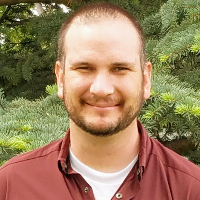
Stephen Bunnell
LCSW
Practical help for anger and strong emotions
Opens BetterHelp in a new tab, where you can review online therapy options.
- Values-based coaching
- Emotion regulation skills
- Caring nonjudgmental stance
About Stephen
He emphasizes a caring, nonjudgmental relationship. Sessions aim to identify what matters to each person and to find practical ways to use their strengths. Stephen helps people notice patterns that lead to unhelpful reactions and then try different ways of responding.
Stephen blends a few therapy approaches to match the person in front of him. He draws on Acceptance and Commitment Therapy to clarify values and take committed steps, and on Client-Centered methods to keep the conversation grounded in the person's experience. He also uses Dialectical Behavior Therapy skills for managing emotions and improving day-to-day coping.
His background includes work across several states with people facing mental health, behavioral health, addiction, relationship, and homelessness challenges. That range shapes a down-to-earth style and a focus on practical strategies that fit real life.
Sessions are aimed at building skills, reducing distressing reactions, and helping people reconnect with things that matter. To begin, a simple questionnaire helps match needs and schedule the first appointment.
Areas of expertise
Primary focus
Also works with
Additional focus areas
Therapeutic approaches
Experience
6+ years
Credentials
Idaho, Utah, Washington, Arizona
Languages
English
How therapeutic approaches translate to online work
Acceptance and Commitment Therapy (ACT) helps people clarify what matters to them and take small, concrete steps toward those values. It often suits people dealing with anger, anxiety, or life changes who want a values-focused way forward. Client-Centered Therapy centers the conversation on the person's own experience, with the therapist listening closely and reflecting back to help make sense of feelings and choices. This approach supports people who benefit from being heard and from exploring their priorities. Dialectical Behavior Therapy (DBT) includes practical skills for emotion regulation, distress tolerance, and communication; those tools are useful when strong emotions or impulsivity interfere with daily life.Finding the right fit is part of the work. The therapist will collaborate with each person to choose approaches that match their goals, preferences, and the problems they bring. That may mean combining elements from different methods and adjusting the pace as progress is made.
Confirm current session options before booking, since specific formats are not listed in the profile. Online sessions can make it easier to fit therapy into a busy week, reduce travel time, and allow short check-ins when needed. They also let people practice skills in the context of their everyday routines and bring real-life situations into sessions for immediate problem solving.
At a glance
- Listed location
- Idaho
- Experience
- 6+ years
- Credentials
- LCSW
- Languages
- English
- License (Idaho)
- LCSW · No. LCSW-40292
- License (Utah)
- LCSW · No. 10466255-3501
- License (Washington)
- LICSW · No. LW 61358518
- License (Arizona)
- LCSW · No. LCSW-21954
- NPI
- 1225373137
As listed by the therapist. You can check a license with the state board and an NPI with the national registry.
Frequently asked questions
What kinds of problems does this therapist address?
He helps with anger, stress, anxiety, addictions, depression, relationship concerns, grief, trauma, parenting strain, and related challenges.
What is the general therapy style used?
The approach is collaborative and practical, focusing on a caring, nonjudgmental relationship and on skills that can be used day to day.
What experience does the therapist have?
Stephen has six years of professional experience in the mental health field and has worked in multiple states on a range of behavioral health and addiction issues.
What credentials and location are listed?
He is a Licensed Clinical Social Worker (LCSW) practicing in Idaho with licenses noted in AZ LCSW and UT LCSW.
Are sessions offered in other languages or internationally?
Sessions are offered in English. International clients are not currently accepted.
What session formats are available?
Please confirm current session options before booking, as specific formats are not listed in the profile.
How is cost handled for sessions?
Cost varies with location and therapist availability; sessions use a subscription that can be canceled at any time.
How do I get started if I want to work together?
Select the Start Therapy button, complete a short matching questionnaire, and schedule an appointment according to the therapist's availability.
Before you start
- Online talk therapy is not a court-ordered or mandated anger-management course, and it does not provide attendance certificates.
- Check that the location and license details above fit where you live.
- If anyone is at risk of being harmed, contact emergency services or a domestic-abuse helpline first. See the support lines for the US, UK and Australia.