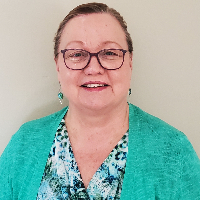
Dr. Susan Murati
LMHC, LCMHC
Therapist blending practical skills and cultural awareness
Opens BetterHelp in a new tab, where you can review online therapy options.
- Collaborative approach
- Practical skills
- Culturally attuned
About Susan
Her work combines Acceptance and Commitment Therapy (ACT), cognitive behavioral therapy (CBT), narrative techniques, dialectical behavior therapy (DBT), and motivational interviewing. Sessions focus on what the person wants to change now and on building small, usable skills for day-to-day life. She avoids stigmatizing labels and treats people with respect and sensitivity.
Dr. Murati tailors her approach to each person's needs. That might mean learning new ways to manage strong emotions, practicing different behavior patterns, or reworking unhelpful stories people tell about themselves. She also helps with career stress, relationship concerns, grief, addiction-related issues, and challenges related to ADHD.
Her background in cultural psychology informs how she sees problems and solutions, especially when cultural or identity questions come up. She explains concepts in plain language and works collaboratively to set clear, achievable goals.
If someone is ready to make a change, she focuses on practical next steps and steady progress. Her aim is to support and empower clients as they build more satisfying daily routines and relationships.
Areas of expertise
Primary focus
Also works with
Additional focus areas
Therapeutic approaches
Experience
19+ years
Credentials
Massachusetts, New Hampshire
Languages
English
How therapeutic approaches shape online work
Acceptance and Commitment Therapy (ACT) helps people notice and accept difficult thoughts while choosing actions that match their values. It can be useful for issues like anxiety, depression, anger, and coping with life changes.Cognitive Behavioral Therapy (CBT) focuses on the links between thoughts, feelings, and actions. It offers practical tools for reducing panic, improving mood, managing anger, and changing unhelpful behavior patterns.
Dialectical Behavior Therapy (DBT) provides concrete skills for emotion regulation, distress tolerance, and improving interpersonal effectiveness. It can help when strong emotions or relationship patterns cause repeated problems.
Finding the right approach is a collaborative process. The therapist will work with each person to identify goals and try methods that fit their needs and preferences. Sessions can change over time as priorities shift and progress is made.
Session formats are not specified in the biography, so confirm current online options before booking. Online work can make it easier to fit therapy into a busy day, allow shorter check-ins when needed, and avoid travel time. Licensed professionals often adapt exercises and homework for remote sessions so progress continues between meetings.
At a glance
- Listed location
- New Hampshire
- Experience
- 19+ years
- Credentials
- LMHC, LCMHC
- Languages
- English
- License (Massachusetts)
- LMHC · No. 9746
- License (New Hampshire)
- LCMHC · No. 2590
- NPI
- 1265756399
As listed by the therapist. You can check a license with the state board and an NPI with the national registry.
Frequently asked questions
What concerns does this therapist address?
Areas of focus include stress, anger, anxiety, depression, trauma and abuse, relationship and intimacy issues, grief, addictions, ADHD, career and workplace problems, and self-esteem.
How would you describe the therapeutic style here?
The style is warm and interactive, aiming to be respectful and nonjudgmental. Sessions mix practical skill-building with narrative work and supportive conversation.
What is the therapist's background and experience?
She has 19 years of counseling experience and describes herself as a cultural psychologist who works with a wide range of concerns.
What credentials and region are listed for this clinician?
Credentials provided are LMHC and LCMHC with an MA LMHC and an LCMHC in New Hampshire; the listed location is New Hampshire.
Are sessions offered in languages other than English?
Sessions are offered in English.
Can international clients work with this therapist?
International clients are not currently accepted.
How are fees and payment handled?
Cost varies with location and therapist availability, and sessions use a subscription that can be canceled at any time.
What are the first steps to begin therapy?
Use the Start Therapy button, complete a short matching questionnaire, and then schedule according to therapist availability.
Before you start
- Online talk therapy is not a court-ordered or mandated anger-management course, and it does not provide attendance certificates.
- Check that the location and license details above fit where you live.
- If anyone is at risk of being harmed, contact emergency services or a domestic-abuse helpline first. See the support lines for the US, UK and Australia.