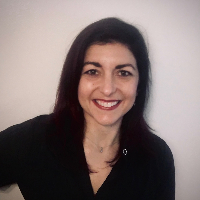
Susan Shafer
LCMHC, LPC
Calm, practical therapy for anger and stress
Opens BetterHelp in a new tab, where you can review online therapy options.
- Skill focused
- Mindfulness based
- Goal oriented
About Susan
Her background includes a master’s degree in community counseling and long-term work across school, clinic, and community settings. That history shapes an approach that blends talk therapy with mindfulness and skills-based work. Sessions often focus on identifying thoughts, feelings, and behaviors that keep problems going and then testing manageable changes.
Susan uses Client-Centered Therapy to create an open, nonjudgmental space. She also uses Cognitive Behavioral Therapy to spot thinking patterns and Mindfulness Therapy to teach breathing and attention skills. Motivational Interviewing and Solution-Focused Therapy are included to help set goals and find practical steps forward.
She sometimes combines breathwork and movement drawn from yoga with education about emotions and behavior. Her work also includes coaching-style elements for career, life-purpose, and financial stress. These tools are presented in plain language and paced to each person’s needs.
Beginning therapy with Susan involves setting clear goals and building skills that fit daily life. She encourages steady progress and helps people find ways to reduce anger, manage stress, and rebuild confidence over time.
Areas of expertise
Primary focus
Also works with
Additional focus areas
Therapeutic approaches
Experience
15+ years
Credentials
North Carolina, New Jersey
Languages
English
How therapy approaches translate to online work
Client-Centered Therapy focuses on listening and building a respectful relationship. Online sessions using this approach prioritize time to talk, reflect, and decide what matters most to the client. Cognitive Behavioral Therapy, or CBT, looks at how thoughts and actions keep problems going and teaches specific skills to change them; online work can include homework, thought records, and short skill practices between meetings.Finding the right approach is usually collaborative. The therapist will talk with the client about goals, try different techniques, and adjust the plan to fit what helps. This process may include mixing mindfulness, motivational interviewing, and solution-focused steps until a practical path is clear.
The original biography does not list explicit session formats, so confirm available online options before booking. Online work can make it easier to fit sessions into a busy week, allow shorter check-ins when needed, and reduce travel time. Many people find these practical benefits help them use therapy more consistently while working toward managing anger, stress, and day-to-day challenges.
At a glance
- Listed location
- New Jersey
- Experience
- 15+ years
- Credentials
- LCMHC, LPC
- Languages
- English
- License (North Carolina)
- LCMHC · No. 8482
- License (New Jersey)
- LPC · No. 37PC00876900
- NPI
- 1144570623
As listed by the therapist. You can check a license with the state board and an NPI with the national registry.
Frequently asked questions
What concerns does Susan help address?
Susan works with stress, anxiety, anger, depression, ADHD, trauma and related issues such as grief, addictions, parenting strain, career stress, and mood disorders.
What is her general therapy style?
She uses a blend of client-centered listening, cognitive behavioral techniques, mindfulness, motivational interviewing, and solution-focused strategies to set practical goals.
How much clinical experience does she have?
She brings about 15 years of experience working in schools, clinics, and community settings with a range of ages and presenting concerns.
What credentials and location are listed?
She is listed as an LCMHC and an LPC and practices in New Jersey.
Which languages are supported and are international clients accepted?
Sessions are offered in English and international clients are not currently accepted.
What session formats are available?
The original biography does not specify session formats; please confirm current session options with the booking process before scheduling.
How is cost handled?
Cost varies with location and therapist availability; sessions use a subscription that can be canceled at any time.
How do I begin working with her?
Click the Start Therapy button, complete a short matching questionnaire, and then schedule according to the therapist's availability.
Before you start
- Online talk therapy is not a court-ordered or mandated anger-management course, and it does not provide attendance certificates.
- Check that the location and license details above fit where you live.
- If anyone is at risk of being harmed, contact emergency services or a domestic-abuse helpline first. See the support lines for the US, UK and Australia.