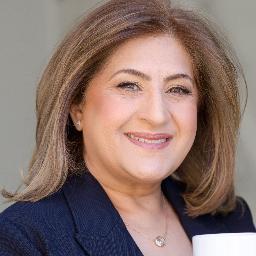
Tayyauba Sheikh
BACP, NCPS
Compassionate counsellor focusing on talking therapies
Opens BetterHelp in a new tab, where you can review online therapy options.
- Talking therapy focus
- Attachment-informed
- Speaks Urdu
About Tayyauba
Areas of expertise
Primary focus
Also works with
Additional focus areas
Therapeutic approaches
Experience
4+ years
Credentials
United Kingdom, United Kingdom
Languages
English, Hindi, Punjabi, Urdu
How her approaches translate to online therapy
Attachment-based work looks at how early connections shape current relationships and emotional responses. Online conversations using this framework focus on recognising patterns in close relationships and trying new ways of relating in day-to-day life.Client-centred therapy concentrates on the person's own experience. In online sessions this means the counsellor listens closely, mirrors what is said, and helps clients find their own solutions to stress, anger and relationship problems.
Finding the right approach is part of the work. The counsellor discusses goals and preferences and together they decide which methods to try first. This collaborative process helps tailor sessions around what feels most useful for the person.
If you want online support, confirm the session formats available before booking. The practical benefits of remote sessions include easier scheduling around work or family commitments, fewer travel demands and the ability to keep regular appointments during busy periods. Some clients find shorter, focused check-ins helpful on hectic days, while others prefer longer conversations when time allows.
At a glance
- Listed location
- United Kingdom
- Experience
- 4+ years
- Credentials
- BACP, NCPS
- Languages
- English, Hindi, Punjabi, Urdu
- Registration (United Kingdom)
- BACP · No. 394434
- Registration (United Kingdom)
- NCPS · No. NCS24-06053
As listed by the therapist. You can check a registration with the body that issued it.
Frequently asked questions
What issues does Tayyauba commonly support people with?
She helps people who are struggling with stress, anxiety, grief and depression, as well as relationship and family conflict, parenting challenges, anger and addictions.
What is her therapeutic style like?
Her style is client-centred and collaborative, emphasising talking therapy and emotionally focused work while using mindfulness and psychodynamic ideas as helpful.
How much professional experience does she have?
She has four years of professional experience working with a range of emotional and relational concerns.
What credentials and country does she practise in?
Her listed credentials are BACP and NCPS, and she practises in the United Kingdom.
Which languages are supported in sessions?
Sessions are offered in English, Hindi, Punjabi and Urdu.
Can people outside the UK arrange sessions?
She does not accept international clients at this time.
How are costs and billing handled?
Session cost varies with location and therapist availability; sessions use a subscription that can be cancelled at any time.
What are the steps to begin working with her?
Click the Start Therapy button, complete a short matching questionnaire, and then schedule sessions according to the therapist's availability.
Before you start
- Online talk therapy is not a court-ordered or mandated anger-management course, and it does not provide attendance certificates.
- Check that the location and registration details above fit where you live.
- If anyone is at risk of being harmed, contact emergency services or a domestic-abuse helpline first. See the support lines for the US, UK and Australia.