
Brenda Atkinson
LCSW, CSWVirginia · 31 yrs exp
Experienced LCSW focused on life transitions
Stress, Anxiety · Relationship · Family · Trauma and abuse · +12 more
Read profileTherapist listings are provided by BetterHelp. We will earn a commission at no additional cost to you if you use our links to purchase.
On this page for the listed location Virginia you can compare profiles of clinicians who list anger and frustration among their specialties.
Browse profiles to compare focus areas, approaches, languages and credentials, and check each individual profile to confirm permission to work with you where you live.
Virginia · 31 yrs exp
Experienced LCSW focused on life transitions
Stress, Anxiety · Relationship · Family · Trauma and abuse · +12 more
Read profile
Virginia · 14 yrs exp
Practical counseling for life's difficult moments
Stress, Anxiety · Grief · Anger · Depression · +1 more
Read profile
Virginia · 4 yrs exp
Compassionate clinician focused on practical change
Stress, Anxiety · Grief · Anger · Self esteem · +10 more
Read profile
Virginia · 35 yrs exp
Experienced LCSW focusing on practical change
Stress, Anxiety · Eating · Self esteem · Depression · +13 more
Read profile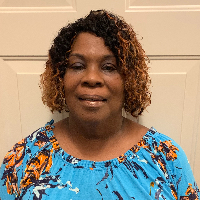
Virginia · 27 yrs exp
Direct compassionate care for practical change
Stress, Anxiety · Addictions · Anger · Self esteem · +9 more
Read profile
Virginia · 23 yrs exp
Compassionate listener guiding practical change
Stress, Anxiety · Addictions · Relationship · Family · +11 more
Read profile
Virginia · 14 yrs exp
Compassionate counselor for anger and mood concerns
Family · Trauma and abuse · Self esteem · Coping with life changes · +12 more
Read profile
Virginia · 11 yrs exp
Compassionate counselor with addiction focus
Stress, Anxiety · Addictions · Grief · Self esteem · +11 more
Read profile
Virginia · 9 yrs exp
Practical support for anger and life stressors
Stress, Anxiety · Addictions · LGBT · Self esteem · +14 more
Read profile
Virginia · 8 yrs exp
Practical, strengths-focused counseling for everyday life
Stress, Anxiety · Relationship · Self esteem · Depression · +9 more
Read profile
Virginia · 26 yrs exp
Practical support for anger and life stress
Stress, Anxiety · Relationship · Family · Depression · +11 more
Read profile
Virginia · 38 yrs exp
Experienced LCSW helping with anger and trauma
Trauma and abuse · Grief · Parenting · Bipolar · +9 more
Read profile
Virginia · 13 yrs exp
Practical counseling for anger and life changes
Anger · Self esteem · Career · Coping with life changes · +1 more
Read profile
Virginia · 3 yrs exp
Compassionate guidance for life's difficult transitions
Stress, Anxiety · Self esteem · Depression · Coping with life changes · +9 more
Read profile
Virginia · 4 yrs exp
Compassionate, practical support for everyday struggles
Stress, Anxiety · Trauma and abuse · Grief · Depression · +10 more
Read profile
Virginia · 8 yrs exp
Practical therapy for stress and anger management
Stress, Anxiety · Anger · Self esteem · Depression · +1 more
Read profile
Virginia · 8 yrs exp
Collaborative, practical counseling for emotional challenges
Stress, Anxiety · Family · Eating · Depression · +8 more
Read profile
Virginia · 24 yrs exp
Experienced counselor helping people manage anger and life changes
Addictions · LGBT · Trauma and abuse · Grief · +10 more
Read profile
Virginia · 12 yrs exp
Compassionate LCSW focused on practical change
Stress, Anxiety · Relationship · Family · Self esteem · +8 more
Read profile
Virginia · 20 yrs exp
Calm, practical support for everyday struggles
LGBT · Relationship · Family · Trauma and abuse · +9 more
Read profile
Virginia · 15 yrs exp
Calm-focused counseling for everyday life
Stress, Anxiety · Anger · Self esteem · Depression · +6 more
Read profile
Virginia · 13 yrs exp
Guiding people through crossroads to calmer reactions
Stress, Anxiety · Relationship · Trauma and abuse · Intimacy-related issues · +11 more
Read profile
Virginia · 10 yrs exp
Compassionate counselor for everyday struggles
Stress, Anxiety · LGBT · Self esteem · Depression · +12 more
Read profile
Virginia · 12 yrs exp
Experienced counselor for life transitions
Stress, Anxiety · Relationship · Anger · Self esteem · +16 more
Read profileWhen you search for help with anger or frustration you are likely thinking about everyday irritability, emotional outbursts, long-standing resentment, or the way stress affects your relationships and work. These experiences can look different for different people. For one person irritability may mean snapping at a partner after a long day, while for another it may mean feeling constantly on edge at work or replaying past hurts until resentment colors many interactions. You do not have to interpret these experiences as failure or a moral shortcoming - they are signals that something in your situation or coping patterns is producing distress.
Discussing how anger shows up for you - whether as sudden outbursts, passive anger, persistent tension, or behavioral reactions - helps you and a clinician identify what to address together. A therapist profile that lists anger or frustration among specialties indicates that the clinician includes these topics among the issues they work with, but it does not prove a particular set of skills or outcomes. Talk openly in the first conversations about which aspects of anger are most disruptive to your life, whether safety is a concern, and what your priorities are for change. If you or someone else is in immediate danger, contact local emergency services or a domestic-abuse helpline right away. Violence is a serious matter and should be handled by emergency responders and specialized resources.
On this directory, profiles are grouped under the listed location Virginia, which helps you find clinicians associated with that place. A listed location does not guarantee a physical office in every case, nor does it confirm permission to practice in every jurisdiction. If you plan to meet in person or remotely, check the individual profile and confirm directly with the clinician whether they are permitted to work with you where you live.
Professional credentials and academic degrees are different things. Academic degrees such as PhD, PsyD, MD, MA, or MSW indicate completed graduate education but do not by themselves demonstrate current permission to practice. In the United States, clinicians typically hold state licenses with titles like LCSW, LMFT, LPC, or similar, but licensing rules vary by state. In the United Kingdom professionals often list registration or membership with regulatory or professional bodies, and in Australia clinicians may list registration or association membership. These phrases indicate different regulatory systems rather than a single uniform credential. When you review a profile, look for clear statements about the clinician's credentials and ask them directly about their current status in the place where you live.
When you read profiles, consider which details you want to clarify in a conversation. You might ask about the clinician's experience with the specific patterns you notice - for example, whether they have worked with adults dealing with frequent irritability, couples coping with reactive arguing, or people managing anger that affects workplace performance. Ask concrete questions such as "How have you supported people who come in with frequent outbursts?" or "What kinds of strategies do you tend to discuss early on when someone describes persistent resentment?" These questions help you move beyond labels to understand the clinician's practical focus.
Profiles often list therapeutic approaches; treat those listings as starting points for discussion rather than certification. For instance, you may see therapists who list cognitive-behavioral approaches, mindfulness-based strategies, emotion-focused work, or therapists who list EMDR among their approaches. Ask how that approach might apply to your goals, how it is typically integrated with other methods, and what you can expect in early sessions. Also ask about relevant populations - whether the clinician has experience with adults, specific age groups, cultural communities, or workplace-related stress - because a listed topic does not establish that the therapist treats children, couples, or families unless they say so explicitly.
If you are considering remote or online conversations, bring up practical and safety topics before beginning. Clarify how the clinician prefers to connect - video, phone, or messaging - and what to do if technology fails. Talk about how they handle emergency situations when you are not in the same jurisdiction, including what local resources they recommend and how they coordinate an emergency plan. Because laws and professional rules differ across countries and states, confirm whether they have permission to work with you in your current location.
It is also appropriate to discuss how sessions are documented, what options there are for contacting the clinician between meetings, and any boundaries around communication. Online care is an option for many people but it is not the same as a court-ordered anger management program or a certification course. Be clear about what you want to address and ask how the clinician typically measures progress or adjusts focus over time. If your situation involves domestic abuse or immediate danger, stop and contact emergency services or a domestic-abuse helpline; online conversations are not a substitute for immediate protection or urgent support.
Comparing clinician profiles is easier when you look for patterns and concrete details. Look for written descriptions that explain the clinician's focus areas - whether they emphasize managing day-to-day irritability, reducing impulsive reactions, addressing longstanding resentment, or helping with anger that affects relationships and work. Notice how they describe their approach to communication and collaboration - do they mention working collaboratively to set goals, teaching practical skills, exploring emotional patterns, or addressing relational dynamics?
Language and cultural fit matter. If you prefer a clinician who speaks a certain language or has experience with specific cultural perspectives, make that a clear item to compare across profiles. Check how each clinician states their education and any registration or license information, and treat degrees like PhD, PsyD, MD, MA, and MSW as indicators of academic training rather than sole evidence of permission to practice. Finally, reflect on style descriptors in profiles - some clinicians emphasize a direct, skill-focused approach while others emphasize exploratory or supportive conversation - and think about which style feels most likely to help you engage. Use concrete comparison questions in your first contact such as "Can you describe how you would begin work with someone whose main concern is frequent irritability?" or "Do you have experience addressing anger that affects work performance?" These questions help you evaluate fit based on focus, language, credentials, and therapeutic style rather than on assumptions or labels.
By taking time to read profiles carefully and to ask specific questions, you can make more informed decisions about who to speak with next. Remember to verify permission to work with you in your location and to prioritize safety in any situation that feels threatening. Use this directory to compare profiles and to prepare focused questions so your first conversations are efficient and clear about your needs.
Addictions
8031 therapists
ADHD
7522 therapists
Anger
13244 therapists
Bipolar
7099 therapists
Control Issues
6282 therapists
Depression
12345 therapists
Disruptive Mood Dysregulation Disorder (DMDD)
2033 therapists
Domestic Violence
4324 therapists
Grief
10731 therapists
Guilt and Shame
8595 therapists
Impulsivity
5148 therapists
Isolation / Loneliness
8055 therapists
Mood Disorders
6731 therapists
Post-Traumatic Stress
7270 therapists
Self Esteem
12166 therapists
Stress & Anxiety
12871 therapists
Trauma and Abuse
11069 therapists
Abandonment
5837 therapists
Attachment Issues
6108 therapists
Blended Family Issues
4747 therapists
Career
8690 therapists
Caregiver Issues and Stress
6105 therapists
Communication Problems
9137 therapists
Compassion Fatigue
7490 therapists
Coping with Life Changes
11500 therapists
Divorce
6539 therapists
Family
10815 therapists
Family of Origin Issues
4413 therapists
Fatherhood Issues
3110 therapists
First Responder Issues
2820 therapists
Forgiveness
7859 therapists
Infidelity
4496 therapists
Jealousy
4527 therapists
Parenting
9388 therapists
Relationship
11415 therapists
Workplace Issues
6571 therapists